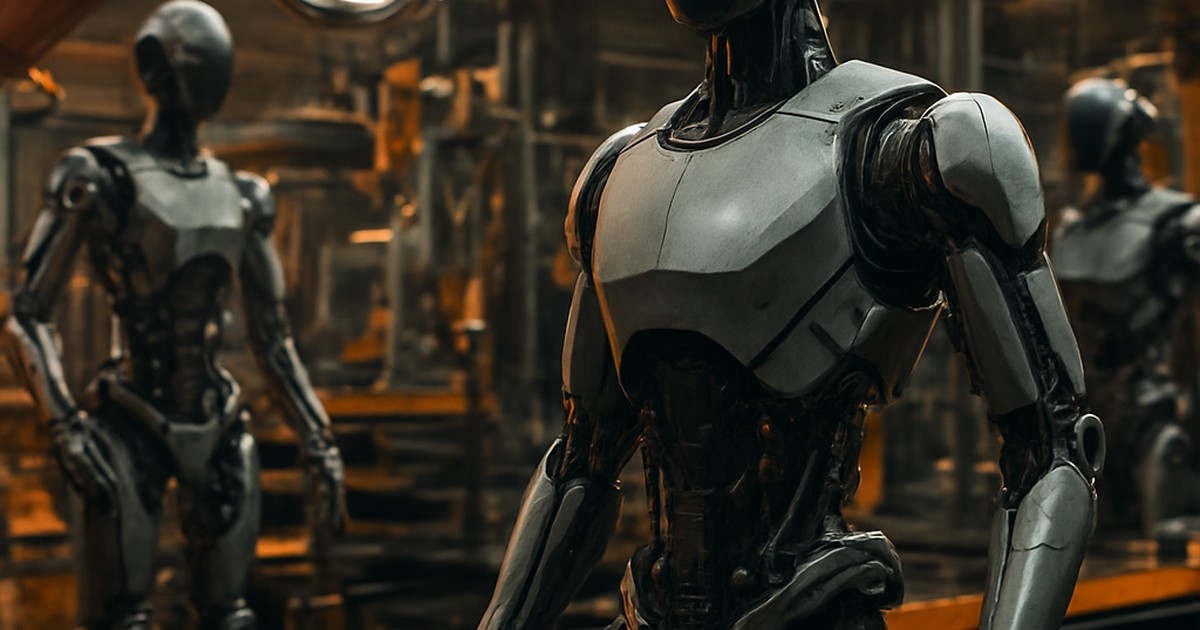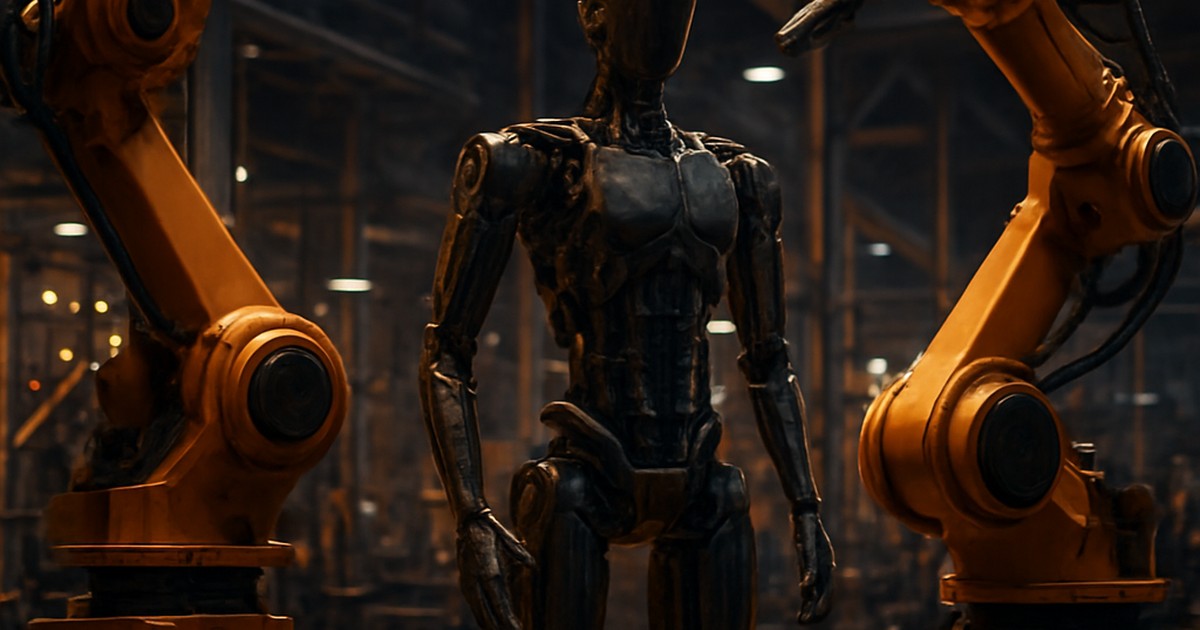
This week, 1X Technologies has achieved a significant milestone with the commencement of full-scale production at its NEO Factory in Hayward, California. This marks a pivotal moment in the evolution of humanoid robotics within the United States, as 1X becomes the first company outside of China to operate a vertically integrated, single-site humanoid production facility at full operational capacity. With an ambitious annual production target of 100,000 NEO units, the factory is a testament to the company’s commitment to innovate in the rapidly evolving field of robotics. The initial production phase is directed towards fulfilling existing pre-orders from consumer households and a select number of enterprise pilots, setting the stage for a transformative impact on the robotics market. This article delves deeper into the implications of this launch, the strategic advantages of vertical integration, and the competitive landscape that 1X Technologies is entering.
Context
1X Technologies has been at the forefront of humanoid robotics development, and the opening of the NEO Factory represents a strategic leap forward in its mission to lead the market. Located in Hayward, California, the factory is strategically positioned in the Silicon Valley corridor, an area renowned for technological innovation and a rich ecosystem of tech talent. The significance of this launch is underscored by the fact that the factory is the first of its kind in the United States to achieve vertical integration in humanoid robot production, a feat that contrasts sharply with the operational models of Chinese competitors. Companies like Unitree, UBTECH, and Fourier have dominated the market thus far, primarily relying on common-platform components, which 1X seeks to surpass by establishing full control over its manufacturing process.
The timing of this development is particularly noteworthy as the global demand for humanoid robots continues to surge. With major players like Figure AI, Apptronik, and Tesla Optimus scaling their production capabilities, the competitive landscape is becoming increasingly dynamic. Figure AI, for example, has been valued at $39 billion, supplying robots to BMW Spartanburg, while Apptronik has raised $520 million, focusing on its Apollo robot. These companies are setting high benchmarks, but 1X’s focus on consumer affordability and home integration provides a unique value proposition that distinguishes it from industrial-focused competitors.
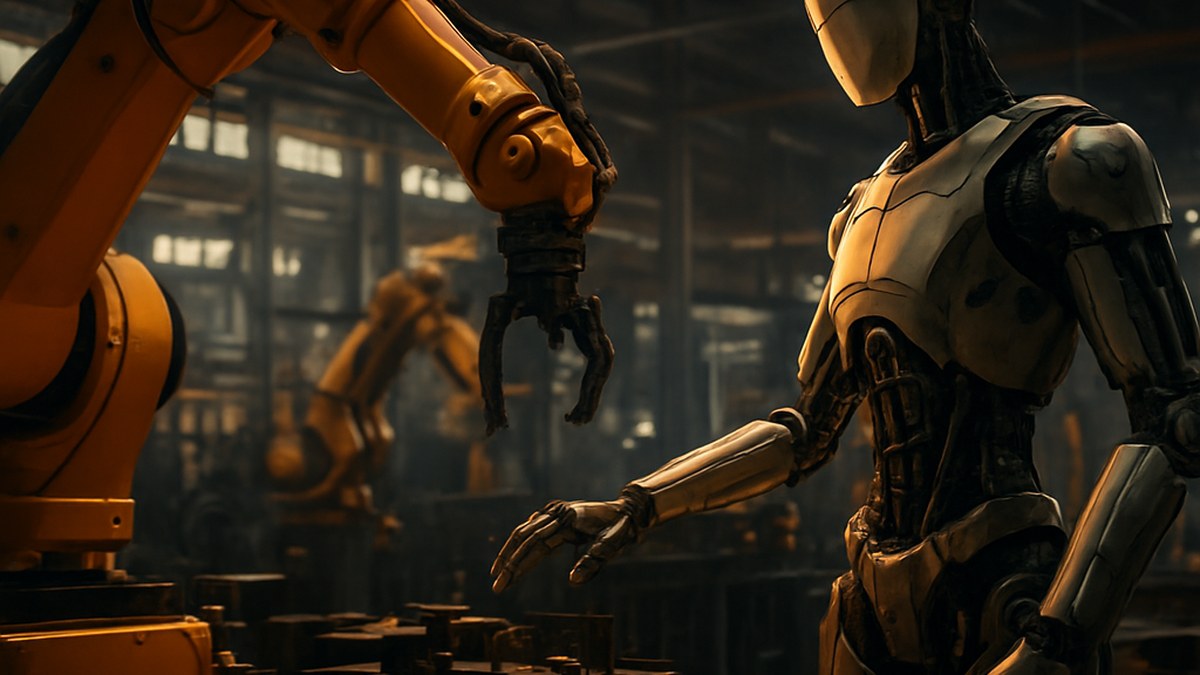
The broader market context highlights a growing shift towards vertically integrated production models as companies strive to enhance performance, reduce dependencies, and improve cost efficiencies. With 1X’s NEO Factory leading this transition in the U.S. market, the implications for the domestic robotics industry are profound, potentially spurring further innovations and investments in local manufacturing capabilities.
What Happened
The official launch of the NEO Factory in Hayward was announced this week, marking the beginning of what 1X Technologies anticipates to be a prolific production era for humanoid robots. The facility is designed to reach a production capacity of 100,000 units annually, a target that 1X plans to achieve as the factory ramps up operations. This announcement positions 1X as a formidable player in the robotics industry, with a unique competitive edge rooted in its vertically integrated production approach. Unlike many of its competitors who source key components from a variety of suppliers, 1X builds the majority of its robot’s components on-site, including the chassis, actuators, battery packs, and compute boards, which allows for a higher degree of customization and quality control.
The choice of Hayward for the NEO Factory was strategic, offering proximity to crucial resources and infrastructure in the tech-centric Bay Area. This location is conducive to attracting top-tier talent and fostering collaborations with nearby firms, thereby enhancing 1X’s operational efficacy. The factory’s operations reflect a commitment to sustainability and innovation, with advanced manufacturing techniques that minimize waste and energy consumption, aligning with broader industry trends towards eco-friendly production.
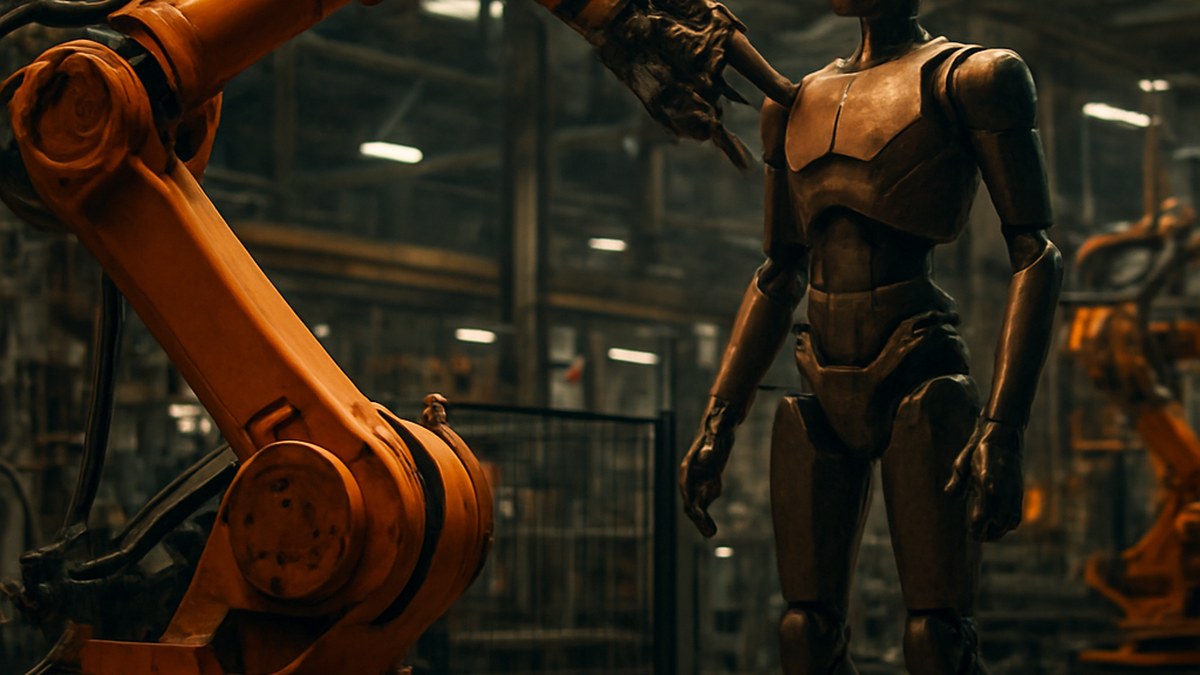
With its initial production directed towards fulfilling consumer pre-orders and enterprise pilot projects, 1X is poised to capture significant market interest. The affordability of the NEO units, targeted at a price point significantly lower than competitors like Tesla’s Optimus, which is projected to cost between $20,000 and $30,000, gives 1X a substantial advantage. This pricing strategy is expected to accelerate consumer adoption, particularly in the home robotics sector, where 1X hopes to establish a strong foothold by providing accessible and versatile robotic solutions.
Why It Matters
The launch of the NEO Factory by 1X Technologies holds substantial implications for the future of humanoid robotics, particularly from an industry and economic perspective. By achieving vertical integration, 1X has reduced its dependency on external suppliers, which not only streamlines production processes but also enhances product innovation and customization. This operational model is likely to inspire similar strategies among other robotics firms striving to achieve greater control over their supply chains and product designs.
For consumers, the availability of affordable humanoid robots like the NEO could transform the domestic landscape, integrating advanced robotics into everyday life. By focusing on consumer markets, 1X Technologies is tapping into a segment that has been largely overlooked by industrial-focused robotics companies. The potential for these robots to perform household tasks, provide companionship, and offer educational benefits opens new avenues for consumer engagement and adoption, potentially setting new industry standards in the process.
Furthermore, the establishment of a vertically integrated factory in the United States contributes to strengthening the domestic tech manufacturing sector. As the U.S. seeks to bolster its technological independence and resilience, the success of initiatives like the NEO Factory serves as a benchmark for future investments in local manufacturing infrastructure. This not only supports economic growth but also aligns with national priorities of enhancing innovation and competitiveness on the global stage.
How We Approached This
In crafting this editorial, we carefully analyzed multiple industry reports, press releases, and market data to provide an accurate and comprehensive view of the current state of humanoid robotics. Our focus was on highlighting the significance of 1X Technologies’ vertical integration strategy and its potential impact on the broader robotics industry. We sought to emphasize the unique positioning of 1X in the consumer market, contrasting it with the industrial focus of its competitors.
Our approach was guided by a commitment to providing an agent-centric perspective, recognizing the transformative potential of humanoid robots in both professional and domestic settings. We deliberately chose to highlight the strategic advantages of vertical integration and the implications for consumers and the industry at large, ensuring that our analysis remains relevant and informative to our readership.
Frequently Asked Questions
What makes the NEO Factory different from other robotics facilities?
The NEO Factory is unique because it is the first in the U.S. to achieve vertical integration in humanoid robot production. Unlike many competitors, 1X Technologies manufactures most components on-site, allowing for greater customization and efficiency, which gives them a competitive edge in terms of cost and innovation.
Why is 1X Technologies focusing on the consumer market?
1X Technologies targets the consumer market to capitalize on a largely untapped segment with high growth potential. By offering affordable and versatile robots, 1X aims to integrate advanced robotics into everyday life, providing solutions for household tasks and personal assistance, thereby differentiating itself from industrial-focused competitors.
What are the environmental considerations of the NEO Factory?
The NEO Factory in Hayward is designed with sustainability in mind, using advanced manufacturing techniques that minimize waste and energy consumption. This aligns with broader industry trends towards eco-friendly production, ensuring that the factory not only meets current demand but also contributes positively to environmental goals.
As 1X Technologies ramps up its production capabilities, the industry is closely watching the outcomes of its innovative strategy. The company’s focus on vertical integration and consumer-friendly pricing positions it uniquely within the rapidly evolving robotics market. With the potential to redefine how humanoid robots are perceived and utilized, 1X is setting a precedent that could influence future trends in robotics manufacturing and application, making it a critical player to watch in the coming years.