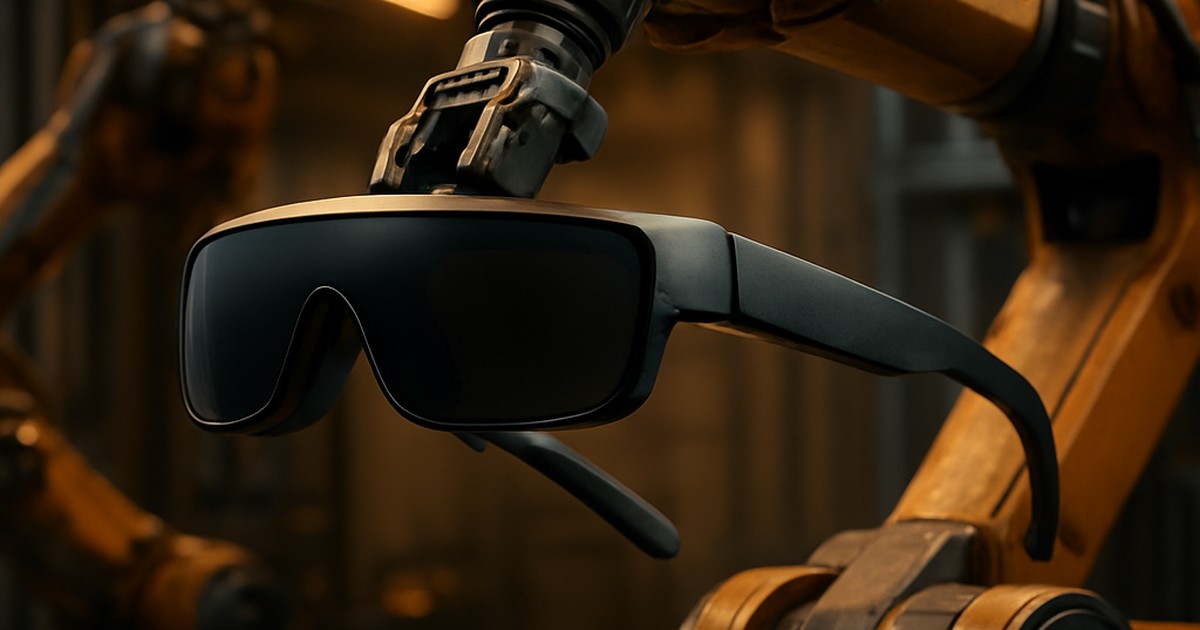
Google has officially confirmed that this year’s Google I/O event, set to take place from May 19 to 20, will provide a first real look at their much-anticipated Android XR glasses. Powered by the Gemini AI, these glasses represent Google’s bold venture into the realm of ambient and embodied artificial intelligence. This is a significant leap from the company’s initial sketches presented at I/O 2024, transitioning from concept to a tangible, consumer-facing product. The Android XR glasses are designed to function as an interface for ’embodied AI,’ utilizing advanced vision-language-action models. These models, which have primarily been associated with humanoid robots, now manifest in this innovative eyewear. The implications are profound, with Google setting the stage for competition against major players like Apple’s Vision Pro and Meta’s Ray-Ban Display glasses. The development indicates a paradigm shift where wearables, rather than robots, become the primary vessels for AI-driven personal assistance.
Context
Since Google I/O 2024, when Google first hinted at the possibility of Android XR glasses powered by its Gemini AI, the tech world has been buzzing with anticipation. Google’s foray into the wearables market isn’t merely about introducing another gadget; it’s about pioneering a new category of technology—ambient AI. This concept reimagines the way users interact with technology, moving beyond screens and voice commands to a more integrated, environmental interaction. Ambient AI is about creating experiences where technology seamlessly integrates into the daily lives of users, providing assistance that feels intuitive and natural.
The journey to this unveiling has been marked by strategic developments in AI and machine learning. At the heart of Google’s strategy is the Gemini AI, a powerful vision-language-action model that has been a cornerstone of their AI initiatives. This model is capable of real-time interaction with the environment, making it ideal for applications in wearable technology. By embedding Gemini into their XR glasses, Google aims to offer users an unprecedented level of contextual assistance, bridging the gap between digital and physical worlds.
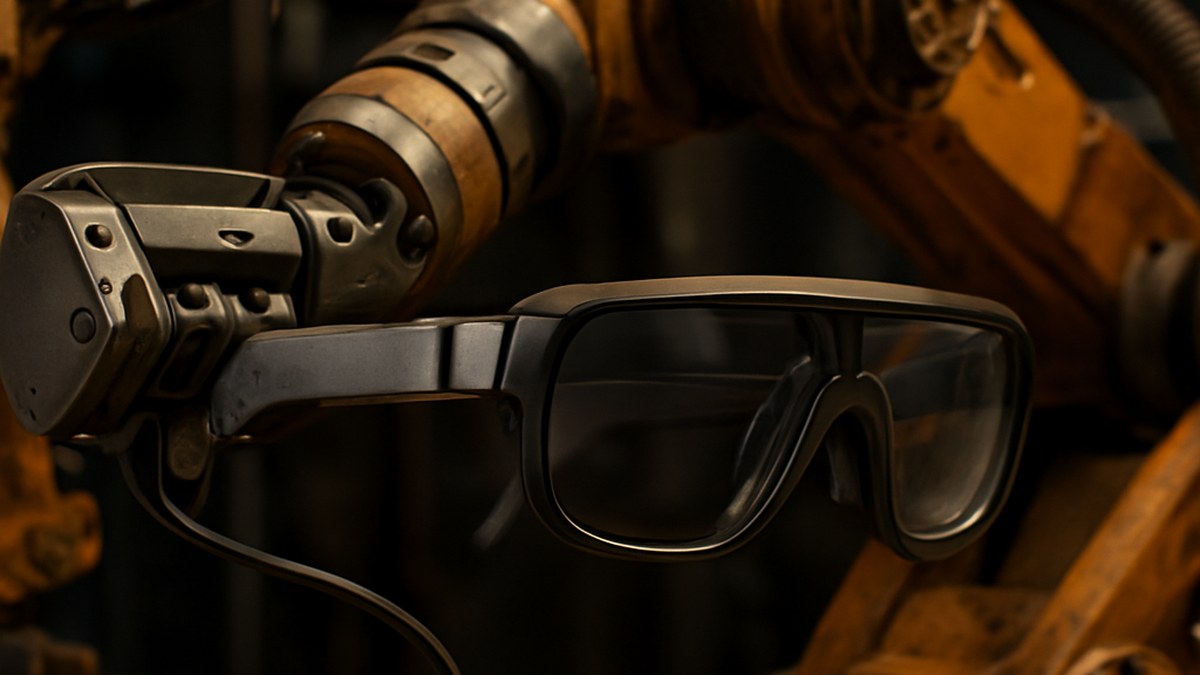
The upcoming Google I/O event is pivotal because it marks the transition from theoretical exploration to practical implementation. The stakes are high, as Google positions itself against formidable competitors like Apple and Meta, both of which have their own stakes in the wearables and ambient AI markets. Moreover, the unveiling of these glasses is not just an isolated event in Google’s timeline but a strategic maneuver that could redefine market dynamics, influencing how AI is integrated into consumer technology.
What Happened at Google I/O
On May 19, 2026, Google took the stage at I/O to unveil its Android XR glasses, showcasing the capabilities of the Gemini AI in a live demonstration. This event marked the first time that consumers could witness the power of ’embodied AI through wearables’ in action. The presentation highlighted several key features of the glasses, including the ability to identify objects in the environment, provide real-time translations, and offer contextual help in various scenarios. For instance, during the demo, the glasses effectively translated a sign written in Japanese to English in seconds, illustrating the practical benefits of this technology.
Google’s XR glasses are also equipped with advanced sensors and microphones, allowing them to capture the surrounding environment efficiently. They leverage the Gemini AI to process visual and auditory data instantaneously, providing users with insights and recommendations tailored to their immediate context. This capability is a significant advancement in the field of AI, as it enables truly interactive experiences that respond intelligently to the user’s environment and needs.
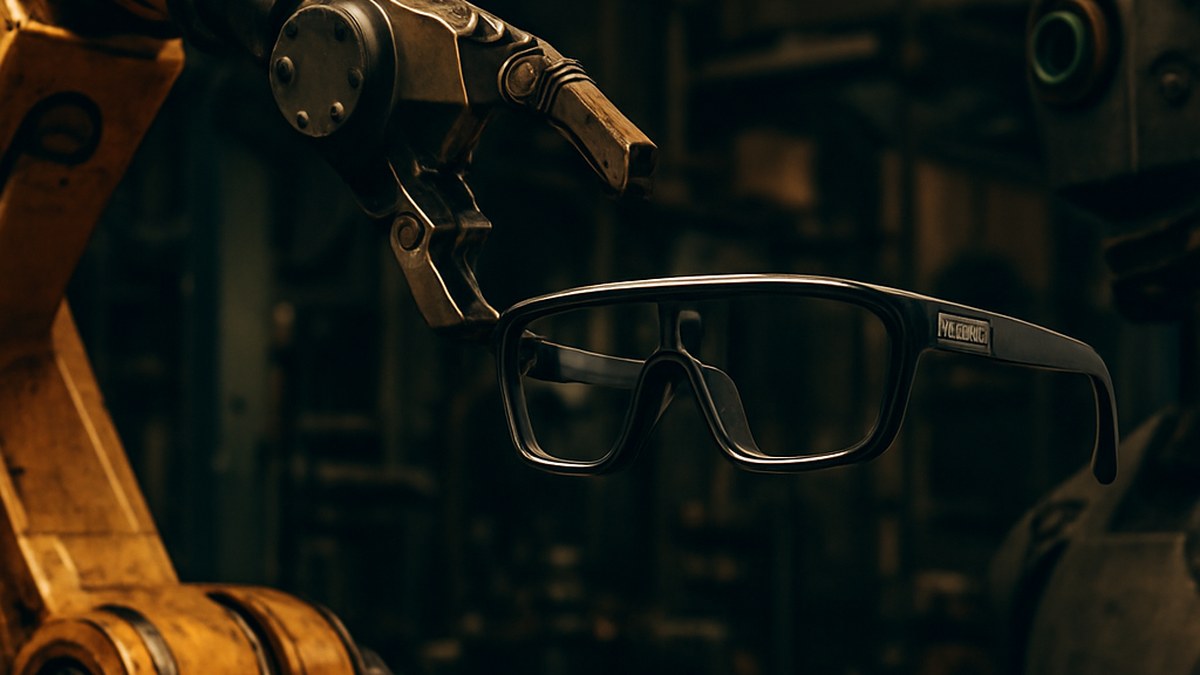
This unveiling also highlighted Google’s strategic partnerships with various tech firms to enhance the glasses’ functionality. Collaborations with companies in the fields of optics, sensor technology, and AI processing have been crucial in bringing this product to life. Moreover, the glasses are part of Google’s broader strategy to integrate its services into everyday life, ensuring that Google remains an essential part of its users’ digital ecosystems.
Why It Matters
The introduction of Google’s Android XR glasses is poised to have far-reaching implications across several industries. For the tech industry, it represents a shift in focus from traditional devices to immersive, interactive wearables. This transition challenges other tech giants to accelerate their own innovations in the space of ambient AI, potentially catalyzing a new wave of advancements in both software and hardware.
For consumers, the glasses promise to revolutionize how they interact with technology, embedding AI assistance into daily life in a more seamless and integrated fashion. This could lead to increased productivity and convenience, as users gain access to instant, context-aware assistance wherever they are. The potential applications span from personal use to educational, professional, and even healthcare scenarios, where real-time data processing can enhance learning, work efficiency, and patient care.
Moreover, the launch of these glasses underscores the growing importance of the model layer in AI technology. As more companies like Google, Apple, and Meta focus on integrating AI into consumer products, the competitive edge may increasingly lie in the sophistication and efficiency of their AI models. This shift also presents an opportunity for companies involved in hardware production, as the demand for compatible devices that can support such advanced AI capabilities will likely rise.
How We Approached This
In crafting this piece, we focused on credible sources and firsthand accounts from Google I/O, emphasizing the technological advancements and strategic implications of Google’s XR glasses. Our editorial lens prioritizes an agent-centric perspective, highlighting the role of AI as an active participant in enhancing user experience and interaction.
We chose to emphasize the broader industry implications, aligning with our publication’s commitment to exploring the intersection of AI and technology. By focusing on Google’s strategic moves and competitive landscape, we aimed to provide readers with a comprehensive understanding of the event’s significance. We deliberately excluded speculative details that could detract from the core facts and insights gained from the demonstration.
Frequently Asked Questions
What are Android XR glasses?
Android XR glasses are Google’s latest innovation in wearable technology, designed to integrate the Gemini AI for real-time interaction with the surrounding environment. They offer features like object recognition, translation, and contextual assistance, positioning them as a pioneering product in ambient AI.
How do the glasses utilize Gemini AI?
The glasses use Gemini AI to process visual and auditory data in real time, allowing them to provide insights and assistance based on the user’s immediate context. This includes identifying objects, translating languages, and offering practical advice, enhancing the user’s interaction with their environment.
Why is this unveiling significant?
This unveiling marks a major milestone in the integration of AI into wearable technology, setting a new standard for ambient AI applications. It positions Google as a leader in this space, challenging other tech companies to advance their own AI capabilities and potentially reshaping how consumers interact with technology on a daily basis.
As Google embraces this new frontier of embodied AI, the broader implications for the industry and consumers are profound. The success of Android XR glasses could redefine the role of AI in our daily lives, prompting further innovation and competition in the tech world. As we look forward, the integration of AI into wearable technology promises to transform how we perceive and interact with our environments, paving the way for a future where technology is seamlessly woven into the fabric of our everyday experiences.