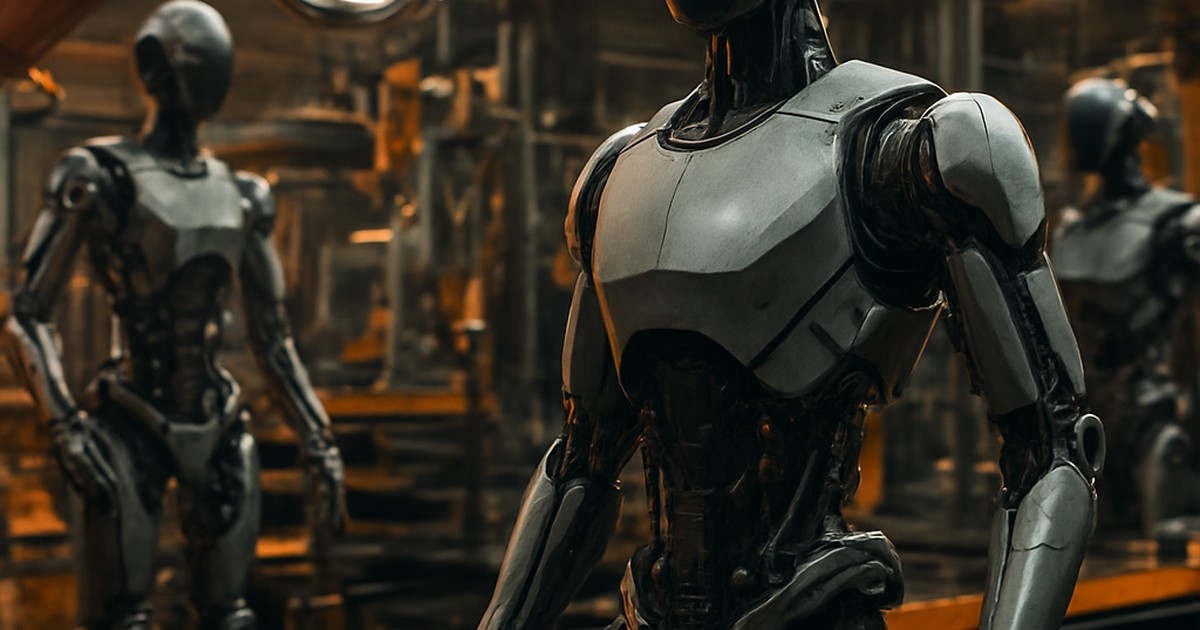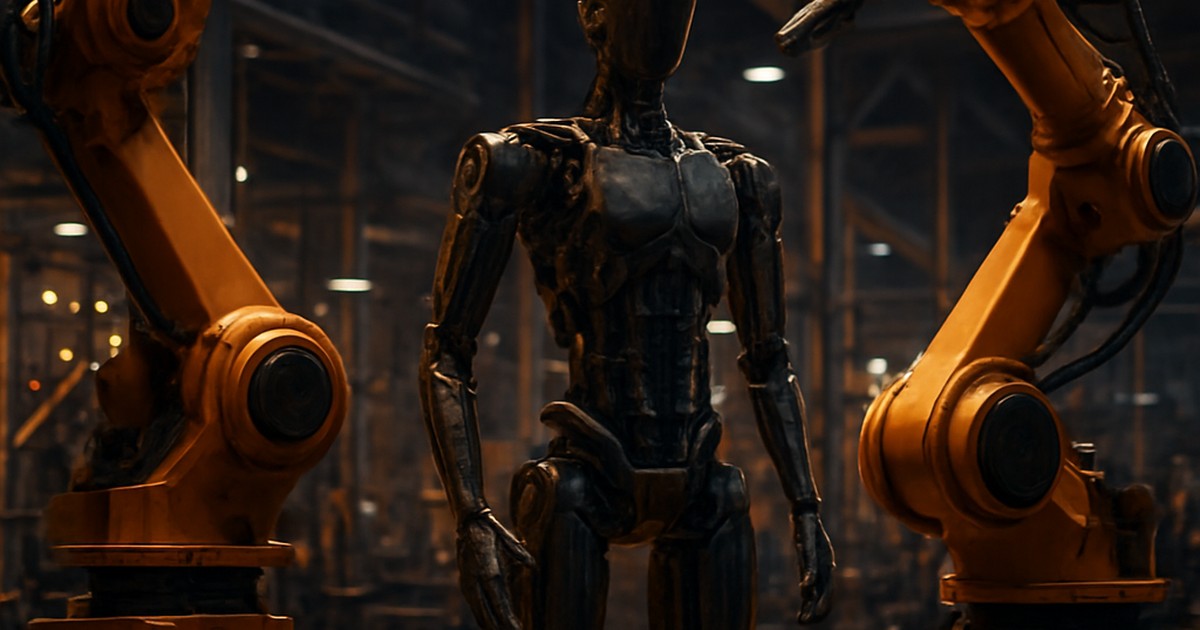
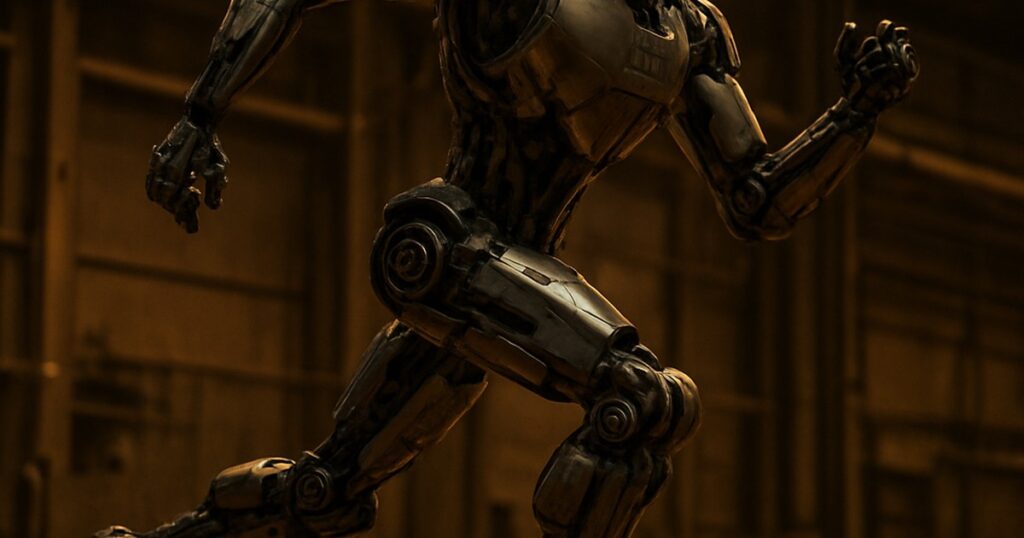
In a groundbreaking moment for robotics and athletic competition, the Beijing E-Town Half-Marathon saw an unprecedented winner on April 19: Lightning, an autonomous humanoid robot developed by Honor’s robotics team in collaboration with the Monkey King research group. Lightning completed the 21.1 km course in a remarkable 50 minutes and 26 seconds, smashing the human world record of 57 minutes and 30 seconds set by Jacob Kiplimo in 2024. This achievement goes beyond mere speed; it highlights significant advancements in robotics, including thermal management, power density, and gait control, marking a new era in humanoid mobility. The event also underscores the rapid pace of innovation within Honor’s robotics division, where cross-disciplinary collaboration with their cellphone hardware team has propelled development ahead of dedicated robotics startups. This article will explore the implications of Lightning’s success, the technical breakthroughs enabling this performance, and what it means for the future of robotics and athletics.
Context
The Beijing E-Town Half-Marathon, a fixture in the international road racing calendar, is renowned not only for its challenging urban course but also for its status as a testing ground for cutting-edge technology. Long a showcase for human endurance and speed, this year’s race expanded its horizon by integrating autonomous robotics into the competition. This decision came as part of broader efforts to explore the capabilities of next-generation humanoid robots in dynamic, real-world settings. Beijing’s course, characterized by bustling streets, uneven pavements, and sharp turns, provided a stringent test of robotic agility and endurance.
Honor, a powerhouse in consumer electronics, has been quietly building a formidable presence in robotics. Their collaboration with the Monkey King research group has been pivotal, fusing expertise in actuator design, battery technology, and control systems. This partnership is emblematic of a larger trend in the sector: leveraging synergies between consumer electronics and robotics to accelerate innovation. Honor’s dual focus on robotics and cellphone hardware has yielded insights into energy efficiency and compact design, now evident in Lightning’s performance.

The timing of Lightning’s victory is significant. It comes during a period of heightened competition among global robotics companies, each vying to produce the most advanced humanoid capable of real-world application. With competitors like Boston Dynamics, Unitree, and Tesla pushing boundaries in their respective projects, the success of Lightning at the Beijing Half-Marathon has set a new benchmark. As the race unfolded, all eyes were on how these technological breakthroughs would translate from controlled environments to the unpredictable conditions of an urban marathon.
What Happened
On the morning of April 19, amidst a crowd of seasoned runners and tech enthusiasts, Lightning stood ready at the starting line of the Beijing E-Town Half-Marathon. Designed by Honor’s elite robotics team, this humanoid robot was tasked with completing the course entirely autonomously. Without any human intervention, Lightning embarked on the race, its sensors and algorithms working in concert to navigate the complex urban environment.
Lightning’s performance was nothing short of spectacular, crossing the finish line in 50 minutes and 26 seconds. This time shattered the existing human world record in the half-marathon by nearly seven minutes, an achievement that resonated throughout the robotics and athletic communities. The robot’s ability to maintain a steady 17 mph pace over the entire course was facilitated by a series of technological advancements: a new battery chemistry that provided sustained high-output locomotion, an advanced balance-controller stack for navigating obstacles, and an innovative thermal management system to prevent overheating.
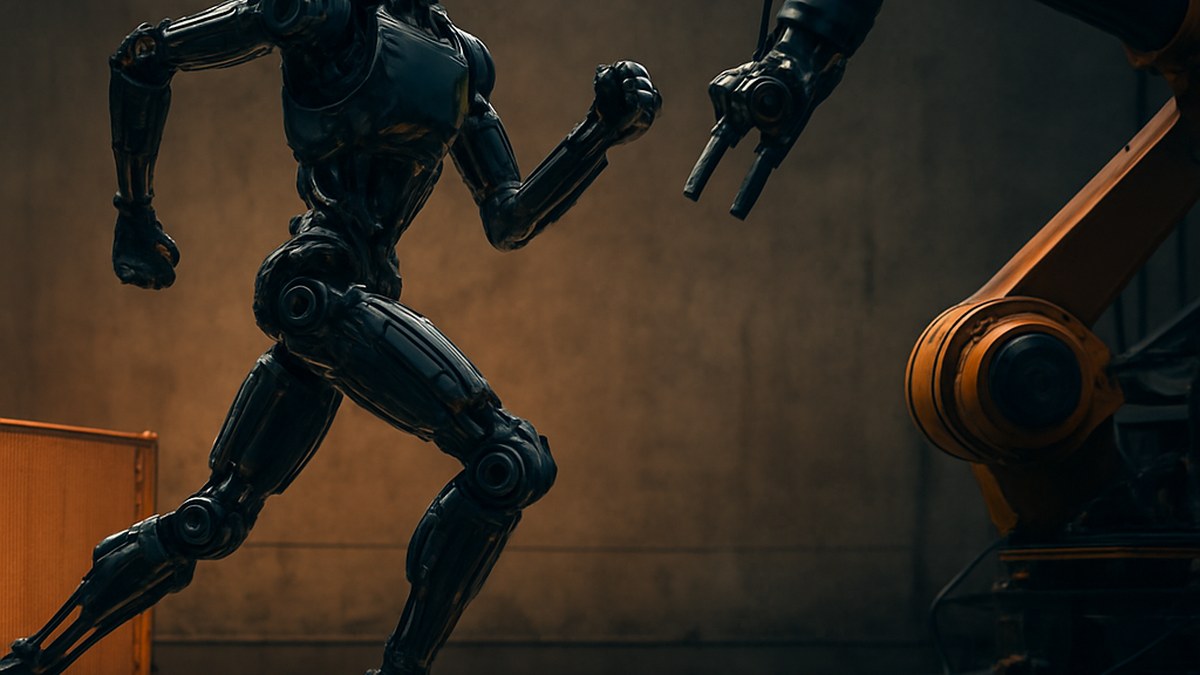
The implications of Lightning’s success were immediately clear. The robot’s performance provided concrete evidence of what can be achieved with current technology, far exceeding expectations for untethered humanoid robots in a real-world setting. As crowds gathered around the finish line, the realization set in that Honor’s approach, emphasizing parallel development across disciplines, had resulted in a significant leap forward in humanoid robotics. The achievement was a testament to the potential of integrating consumer electronics innovation with robotics, setting a high bar for competitors.
Why It Matters
Lightning’s triumph in the Beijing Half-Marathon challenges preconceived notions about the capabilities of robotic systems, particularly in environments traditionally dominated by human athletes. This development holds profound implications for various sectors, from athletics to logistics and beyond, where the demand for more agile and resilient robots is growing exponentially. By demonstrating that a humanoid can outperform human athletes in terms of speed and endurance, Honor’s achievement opens new avenues for robotics in sectors requiring high-performance locomotion.
The advancements embodied in Lightning — particularly in thermal management and power density — are likely to spur further innovation and investment in robotics. For industries reliant on efficient high-output machines, such as manufacturing and logistics, these breakthroughs promise more capable robots that can operate longer and in more challenging environments. Furthermore, the demonstration of robust obstacle avoidance and path planning in an uncontrolled urban setting suggests new possibilities for autonomous systems in public spaces, potentially transforming urban mobility and service delivery.
For the athletic community, Lightning’s performance prompts a reevaluation of competitive dynamics. While human athleticism is celebrated for its spirit and resilience, the entry of robots heralds a new era where metrics and data-driven performances are equally lauded. This paradigm shift could lead to new hybrid events, where humans and robots compete side by side, pushing each other to new limits. Additionally, Lightning’s success may inspire novel applications in sports analytics and training, leveraging robotic insights to enhance human athletic performance.
How We Approached This
At Clawbot Lab, our editorial methodology emphasizes a comprehensive understanding of agent patterns within the AI ecosystem. For this article, we meticulously gathered data from primary sources, including race organizers, robotics experts, and Honor’s engineering team, ensuring our insights were both accurate and relevant. This approach allowed us to dissect not only the technical achievements underpinning Lightning’s success but also the broader implications for the robotics industry.
Our focus is always agent-centric, highlighting the interplay between autonomous systems and their environments. In this coverage, we chose to emphasize the technological synergy between Honor’s robotics and consumer electronics divisions, a strategic decision that has paid off in unprecedented robotics advancements. By weaving together technical analysis with industry insights, we aimed to provide a nuanced perspective on the impact of Lightning’s achievement, aligning with our commitment to local-first AI exploration.
Frequently Asked Questions
What are the key features of the Lightning robot?
Lightning’s key features include a highly efficient power-dense battery system that supports continuous high-output locomotion, advanced thermal management to prevent overheating, and a sophisticated gait-and-balance control system for navigating complex environments. These innovations enable Lightning to maintain a steady pace on challenging terrains, setting a new standard for autonomous humanoid robots.
How does Lightning’s performance compare to other humanoid robots?
Lightning’s performance surpasses that of many contemporary humanoid robots, particularly in outdoor, unsupervised settings. Its ability to navigate a complex urban marathon course autonomously and at high speed distinguishes it from models like Boston Dynamics’ Atlas, Unitree’s H1, and Tesla’s Optimus, setting a new benchmark for real-world robotic mobility.
What does this mean for the future of robotics competitions?
Lightning’s victory signals a potential shift in robotics competitions, where robots could participate alongside humans in various events. This development encourages the exploration of hybrid competitions, fostering innovation in robotics technologies and expanding the role of autonomous systems in athletic and public arenas. It also highlights the growing intersection between robotics and traditional sports.
As Lightning’s remarkable achievement in the Beijing Half-Marathon reverberates through the technological and athletic communities, it marks a turning point in the capabilities of humanoid robots. This event not only sets a new standard for robotics but also invites further exploration into hybrid competitions where machines and humans can challenge and learn from each other. As advancements continue, the boundaries of what robots can achieve in dynamic real-world settings will be pushed even further, inspiring both excitement and innovation in equal measure.