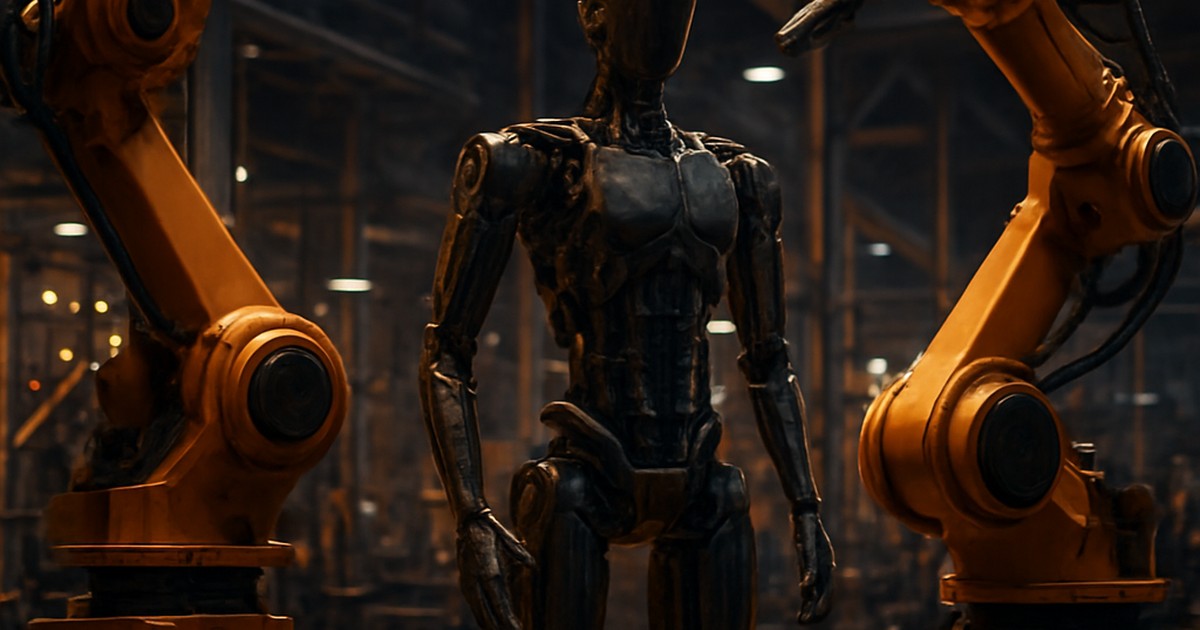

In a remarkable milestone for the robotics industry, a leading Chinese humanoid robot manufacturer has delivered its 10,000th unit, marking the largest commercial fleet deployment of humanoid robots worldwide. The company has announced its ambitious target to achieve 100,000 factory placements by the end of 2026. This achievement significantly widens the gap with Western counterparts such as Tesla and Boston Dynamics, who remain in the prototype phase for their humanoid offerings. This article will explore how this Chinese manufacturer has achieved this astonishing scale, its implications for the global robotics market, and how it positions itself against Western competitors in terms of deployment volume and market strategy.
Context
The global robotics industry has been undergoing a significant transformation, with humanoid robots at the forefront of industrial innovation. Chinese manufacturers have rapidly advanced in this sector, reflecting the broader trend of China’s technological ascendancy. This particular Chinese company, now leading in humanoid robot deliveries, represents a significant shift in market dynamics. Their success is underpinned by China’s strategic focus on becoming a global leader in AI and robotics, a goal embedded in its national policy and industrial strategy. Over recent years, various political and economic factors have propelled Chinese companies to the forefront of the robotics industry, including substantial government investments and a burgeoning domestic market driven by rapid industrialization.
This week is pivotal due to the announcement of the company’s delivery of its 10,000th unit, a symbol of their growing influence. Historically, Western companies like Boston Dynamics and Tesla have dominated headlines with high-profile prototypes and technological breakthroughs. However, their pace of commercial deployment lags behind Chinese firms that focus on scalability and cost-effective solutions. This gap has been widening as the Chinese manufacturer capitalizes on the increasing demand for robots in manufacturing, logistics, and other industries requiring efficient labor solutions amid global labor shortages.

The road leading to this milestone has been marked by strategic investments and a focus on mass production. The company’s approach diverges from its Western competitors, who prioritize technological sophistication over volume. While Western humanoid robots excel in advanced tasks, the Chinese manufacturer has focused on simple, repetitive tasks—areas where volume and affordability are paramount. This strategy mirrors China’s approach in other technology sectors, where initial focus on volume has often led to improvements in quality over time.
What Happened
The Chinese humanoid manufacturer officially announced the delivery of its 10,000th robot earlier this week. This achievement not only sets a new benchmark for volume in the industry but also underscores the company’s strategic goals to expand its presence in factory automation and manufacturing sectors globally. The announcement comes as the company reveals its aggressive target to have 100,000 robots operational by the end of 2026. This target reflects a fourfold increase in deployment, aiming to capitalize on the growing demand for labor automation solutions worldwide.
In contrast, Tesla’s Optimus Gen 3 remains in low-volume production, reserved for internal use, with no units available for external customers. Meanwhile, Boston Dynamics has committed its current production of Atlas robots to two major clients—Hyundai and Google DeepMind. These commitments indicate a different strategic approach, focusing on fewer but more technologically advanced deployments. The western market remains in a nascent stage compared to the Chinese manufacturer’s broad deployment strategy.
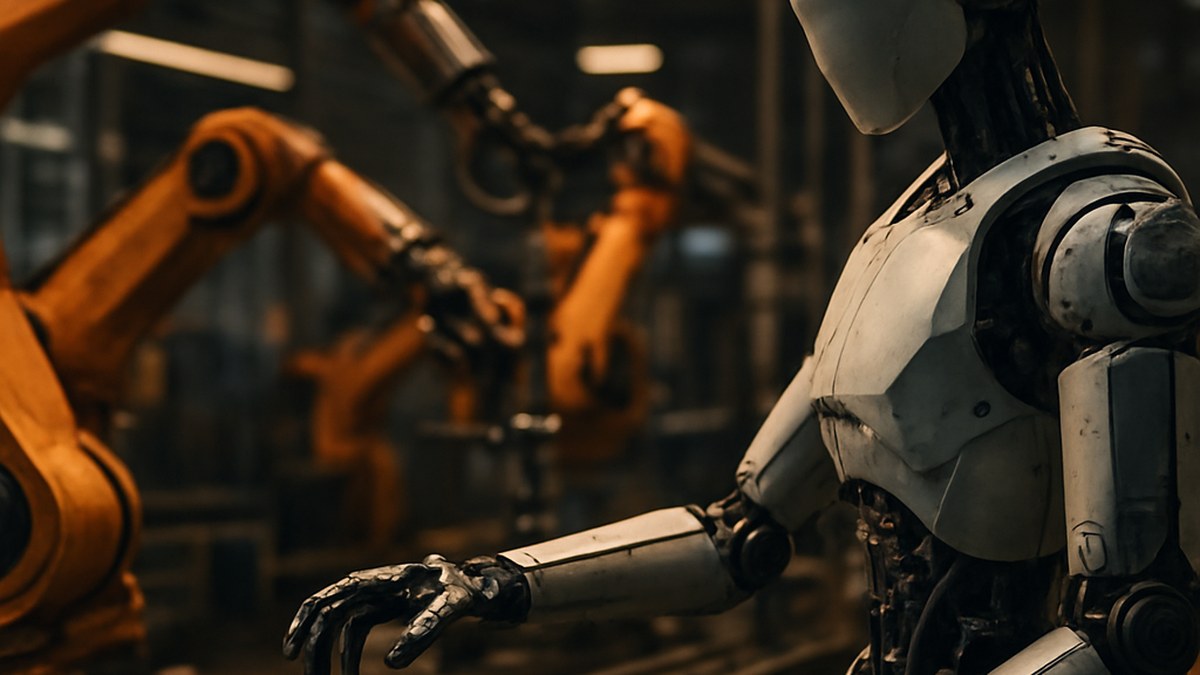
Industry data for Q1 2026 reveals that China alone produced over 5,000 humanoid robots, surpassing the combined output of all other countries. This represents a staggering 380% year-on-year growth rate. The cost advantage remains a critical factor; Chinese humanoids are priced at $30,000-$50,000 per unit, significantly undercutting Western models. Despite some technological limitations, such as a less advanced autonomy stack and force-control precision, these robots have proven effective for high-volume, low-complexity tasks, such as material handling and palletizing.
Why It Matters
The implications of this development are significant for the global manufacturing and robotics industries. As the Chinese manufacturer continues to expand its reach, it disrupts the traditional market dynamics dominated by Western companies. The focus on volume and affordability allows them to penetrate markets that were previously inaccessible, providing cost-effective automation solutions to a broader range of industries. This shift could lead to increased competition, compelling Western companies to reevaluate their strategies focusing on technological superiority and premium pricing.
For consumers and industries, the wider availability of affordable humanoid robots presents new opportunities for automation in sectors that have been slower to adopt such technologies. Manufacturers can benefit from reduced labor costs and increased operational efficiency, particularly in regions facing labor shortages. This potential for widespread adoption could accelerate the integration of robots into more facets of industrial operations, enhancing productivity and economic growth.
Policymakers and industry leaders will need to address the socio-economic impacts of this shift, particularly regarding employment and worker displacement. The rapid adoption of humanoid robots could lead to significant changes in the workforce, requiring new educational and training programs to prepare workers for an automated future. The scale of the Chinese manufacturer’s deployment also highlights the importance of international cooperation and standards in robotics, ensuring safe and ethical use of these technologies across different jurisdictions.
How We Approached This
In crafting this article, we drew from a variety of sources including industry reports, market data, and expert analyses to provide a comprehensive overview of the current state of the humanoid robotics market. Our editorial stance is rooted in the OpenClaw ecosystem perspective, prioritizing agent-centric and local-first narratives. This lens allows us to highlight the nuances of technological development within the global context, recognizing the distinct strategies and market conditions that influence different regions.
We chose to emphasize the competitive dynamics between Chinese and Western manufacturers, focusing on deployment volumes and market penetration strategies. While technological sophistication remains an important factor, our analysis primarily considers how scale and affordability are reshaping the industry landscape. This approach provides a balanced view of the market, acknowledging both the opportunities and challenges presented by the rapid deployment of humanoid robots.
Frequently Asked Questions
What makes the Chinese humanoid robots successful?
The success of Chinese humanoid robots largely comes from their focus on scalability and affordability. By producing robots at a lower cost, they can deploy them widely across industries requiring simple, repetitive tasks. This approach allows them to achieve significant market penetration despite some technological limitations compared to Western counterparts.
How do Western companies like Tesla and Boston Dynamics compare?
Western companies like Tesla and Boston Dynamics emphasize technological sophistication and advanced capabilities in their humanoid robots. However, they have not yet matched the deployment volumes of their Chinese competitors. Their strategic focus remains on developing premium, high-performance robots rather than high-volume, cost-effective solutions, leading to different market positioning.
What are the potential impacts on the workforce?
The rapid deployment of humanoid robots could lead to workforce displacement, particularly in industries reliant on manual labor. This shift necessitates the development of new training and educational programs to prepare workers for roles in an increasingly automated economy. Policymakers will need to address these changes to mitigate potential socio-economic impacts.
As the robotics industry continues to evolve, keeping an eye on these developments will be crucial. The Chinese manufacturer’s success in deploying a large volume of humanoid robots underscores a pivotal shift in industrial automation. Whether Western companies can leverage their technological advancements to counter this volume-driven strategy remains to be seen. As we move forward, the balance between quality and volume will likely dictate the future trajectories of the global robotics market, with significant implications for industries worldwide.