In a landmark achievement within the robotics industry, the collaborative robot market has achieved a valuation of $11.3 billion as of 2025, representing an impressive 28% year-over-year growth. This surge is not merely a testament to the increasing reliance on automation but highlights a significant shift in the manufacturing landscape, where cobots — collaborative robots designed to work alongside humans — are now more prevalent than traditional industrial robots. Over the past year, more than 210,000 cobot units have been shipped globally, a figure that underscores their growing prominence. By early 2026, nearly half (47%) of global manufacturing operations have adopted some form of smart automation, with cobots leading the charge due to their accessibility and swift return on investment. This article explores the transformative impact of cobots on manufacturing, the shifting trends towards more sophisticated roles, and the technological innovations driving their rapid deployment.
Context
The rise of collaborative robots, or cobots, has been a game-changer in the realm of manufacturing. Unlike their traditional counterparts, which often require extensive safety measures and isolated workspaces, cobots are specifically designed to work in close proximity to human operators. This inherent flexibility has made them particularly appealing to industries looking to enhance productivity without the extensive costs and logistical challenges associated with traditional robots.
Historically, cobots have been utilized for light-duty tasks such as pick-and-place operations and simple assembly. However, recent advances in technology have equipped cobots with the capabilities necessary for more demanding industrial applications. This evolution is driven by the need to address labor shortages and the increased complexity of manufacturing tasks, which require adaptable and intelligent solutions. Furthermore, the rise of no-code and gesture-based programming paradigms has democratized access to cobot technology, enabling line operators to deploy and configure these machines without specialized coding skills.
The timing of this growth is critical. As global manufacturing rebounds from pandemic-induced disruptions, the need for resilient and flexible automation systems has never been greater. Cobots, with their ability to seamlessly integrate into existing workflows and complement human labor, have emerged as an ideal solution. This trend is further bolstered by regulatory advancements, such as the updated ISO/ANSI safety standards, which now accommodate speed-and-separation monitoring capabilities. These changes not only ensure safer human-robot interactions but also expand the operational envelope of cobots, allowing them to perform at industrial speeds when human workers are not present.
What Happened
The collaborative robot market’s growth to $11.3 billion in 2025 marks a pivotal moment for the industry. This expansion is characterized by several key developments, most notably the shipment of over 210,000 cobot units — a milestone that surpasses traditional industrial robots for the first time. This shift is reflective of a broader trend where manufacturers are increasingly opting for flexible, human-compatible automation solutions over the more rigid and isolated traditional robotics systems.
According to recent industry data, the integration of smart automation systems has now reached 47% of global manufacturing operations. This significant penetration underscores the appeal of cobots as an accessible entry point into automation, particularly for small and medium-sized enterprises (SMEs) that may lack the resources to invest in more extensive robotic infrastructure. With lower commissioning costs and quicker returns on investment, cobots are poised to continue driving innovation and efficiency across various sectors.
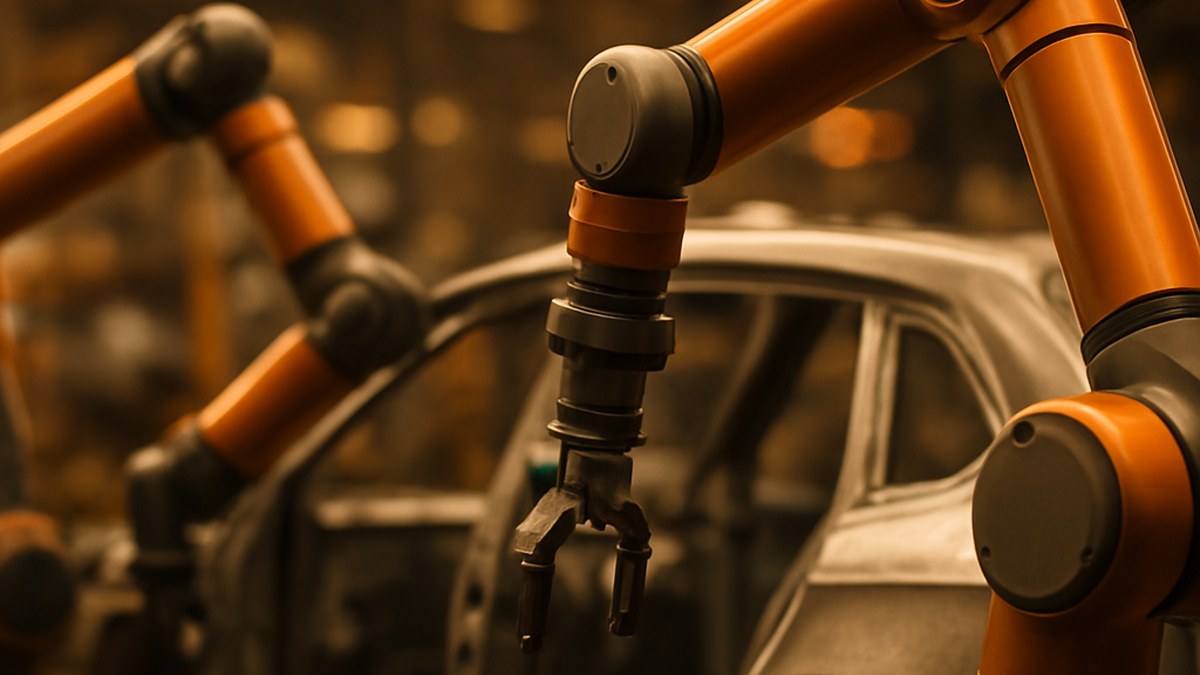
Three major trends have shaped the cobot landscape over the past year. Firstly, the transition from light-duty tasks to full-scale industrial applications has blurred the lines between cobots and traditional automation. Tasks such as welding, machine tending, and palletizing, once considered too complex for cobots, are now firmly within their capabilities. Secondly, the proliferation of no-code and gesture-based programming interfaces has transformed the operational ease of cobots, reducing the dependency on specialized technical skills. Lastly, the rise of Autonomous Mobile Manipulator Robots (AMMRs) — cobots mounted on mobile bases — has revolutionized intra-factory logistics, with adoption rates exceeding 80% year-over-year in pilot programs.
Why It Matters
The significant growth of the collaborative robot market has profound implications for the manufacturing industry and beyond. As cobots become an integral part of production lines, they offer a solution to some of the most pressing challenges facing manufacturers today. Labor shortages, increasing demand for customization, and the need for more efficient production processes have all contributed to the urgency for flexible automation solutions.
For industries, the integration of cobots translates to enhanced operational efficiency and reduced costs. By automating repetitive and labor-intensive tasks, cobots free up human workers to focus on higher-value activities, thereby increasing overall productivity. Furthermore, the ability to quickly reprogram and redeploy cobots in response to changing production demands offers manufacturers a level of agility previously unattainable with traditional automation systems.
On a broader scale, the rise of cobots has significant implications for workforce dynamics and economic productivity. As cobots become more prevalent, they are likely to shift the skillset requirements within the manufacturing sector. While some fear potential job displacement, others argue that cobots will create new opportunities for workers to engage in more complex and rewarding roles. This transition is likely to necessitate targeted training programs and policy initiatives designed to equip the workforce with the skills needed to thrive in an increasingly automated environment.
How We Approached This
In crafting this analysis of the collaborative robot market, our editorial team at Clawbot Lab leveraged a diverse range of reputable sources, including industry reports, market data, and expert interviews. Our focus was on providing a comprehensive overview of the current trends, technological innovations, and market dynamics shaping the cobot landscape. We prioritized insights that would resonate with our tech-savvy readership while remaining accessible to those new to the topic.
Our approach was guided by our commitment to delivering nuanced perspectives on agent-centric technologies and their impact on local industries. We deliberately chose to emphasize the practical applications and implications of cobots for manufacturers, aiming to demystify the technology and highlight its potential benefits and challenges. In doing so, we sought to provide our readers with a balanced understanding of the complexities involved in adopting collaborative automation solutions.
Frequently Asked Questions
What are cobots, and how do they differ from traditional industrial robots?
Cobots, or collaborative robots, are designed to work alongside humans in shared workspaces, unlike traditional industrial robots that operate in isolated environments. Cobots feature advanced sensors and programming that allow for safe human-robot interactions, making them ideal for tasks that require human oversight or collaboration.
What industries are most likely to benefit from the adoption of cobots?
While cobots are applicable across various sectors, industries such as manufacturing, logistics, and healthcare are likely to see the most significant benefits. In manufacturing, cobots enhance productivity and flexibility. In logistics, they streamline inventory and material handling. In healthcare, cobots assist with repetitive tasks, allowing professionals to focus on patient care.
How will the rise of cobots impact the workforce?
The increasing prevalence of cobots is expected to shift workforce dynamics, emphasizing the need for skills in automation and robotics. While some roles may be impacted, the technology also creates opportunities for workers to engage in higher-value tasks. Companies may need to invest in employee training to facilitate this transition and ensure a smooth adaptation to collaborative automation.
As the cobot market continues to expand, the implications for global manufacturing and the broader economy are profound. The integration of cobots into nearly half of manufacturing operations signifies a crucial turning point in the evolution of industrial processes. Going forward, the collaborative nature of these robots, coupled with advancements in programming and mobility, promises to redefine the relationship between humans and machines, paving the way for a more efficient and dynamic industrial landscape.