
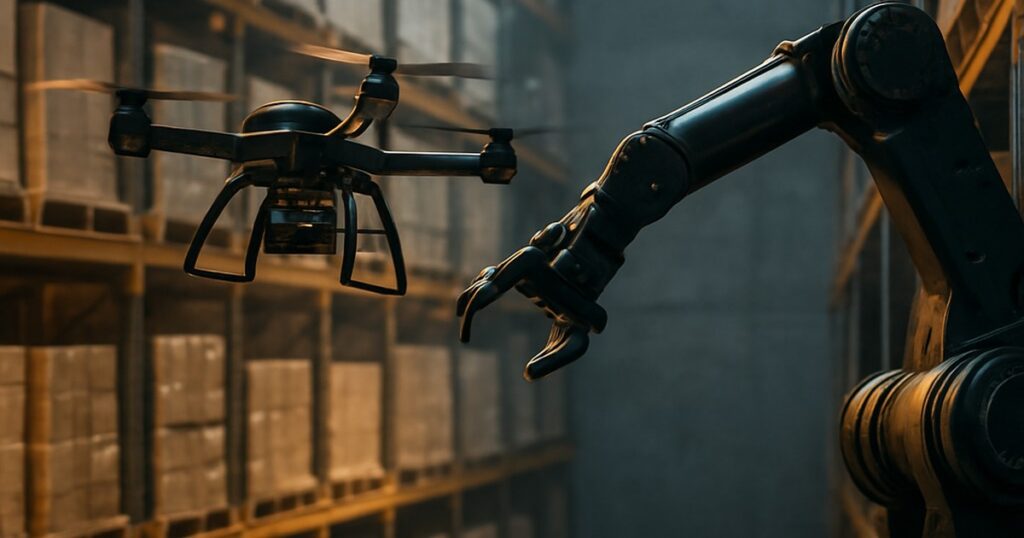
This week, Corvus Robotics made a significant leap in warehouse automation with the launch of Corvus One Cold Chain, a drone-based autonomous inventory management system designed specifically for the demanding environments of sub-zero warehouses. By marrying advanced robotics with cold-chain logistics, Corvus aims to redefine how inventory is managed in some of the most challenging conditions imaginable. Cold storage facilities, integral to industries like pharmaceuticals, food processing, and grocery distribution, face perennial challenges such as high staff turnover and the physical toll on human employees who must take frequent breaks to avoid hypothermia. Corvus’s solution offers a futuristic alternative: drones that can operate continuously at temperatures as low as -30 °C, thanks to innovative features such as cold-rated LiFePO4 batteries with self-heating cells, and optics sealed against condensation. This article delves into the details of this launch, exploring its implications for the future of warehouse operations and the broader logistics landscape.
Context
Cold chain logistics is an indispensable component of the global supply chain, ensuring that temperature-sensitive products are stored and transported under optimal conditions. With the growing demand for perishable goods and temperature-sensitive pharmaceuticals, the need for efficient and reliable cold storage solutions has never been more pressing. Historically, these environments have posed significant challenges due to their harsh temperatures, which can reach as low as -30 °C, imposing physical strain on human workers. The labor-intensive nature of these operations, coupled with the high risk of injury and mandatory warm-up breaks, results in high turnover rates, often exceeding 35-50% annually in some regions.
In recent years, advancements in robotics and artificial intelligence have paved the way for automating various aspects of warehouse management. The introduction of autonomous drones represents a transformative shift, offering a potential remedy to the inefficiencies and safety concerns associated with human labor in extreme conditions. Prior to the Corvus One Cold Chain, Corvus Robotics had already established a reputation for pioneering drone technology in standard warehouse settings, but this latest innovation marks their foray into more specialized applications.
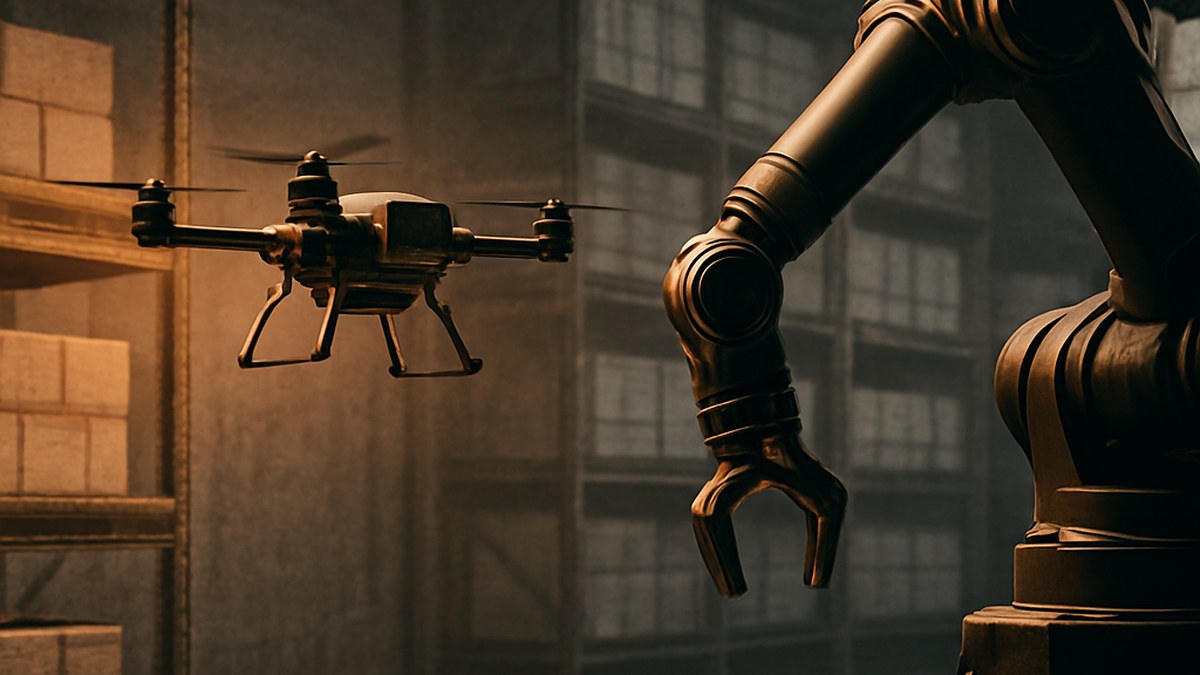
The timing of this launch is particularly pertinent as the logistics industry stands on the cusp of a technological revolution. According to Gartner’s projections, by 2030, half of all new warehouses in developed markets will be ‘robot-centric’ or ‘human-optional’, with the cold-chain subcategory likely to be the first to achieve this threshold. This reflects a broader trend towards automation and innovation in logistics, driven by the dual pressures of labor shortages and the need for operational efficiency. As such, Corvus One Cold Chain is not only a response to current industry needs but also a forward-looking investment into the future of logistics management.
What Happened
Corvus Robotics’ announcement this week marks a pivotal moment for cold-chain logistics. The Corvus One Cold Chain system is a sophisticated integration of hardware and software engineered to withstand the rigors of sub-zero environments. The drones, modified versions of Corvus’s established warehouse models, are equipped with LiFePO4 batteries featuring self-heating technology, ensuring functionality even in frigid conditions. Additionally, the drones are fitted with sealed optics to prevent condensation, a common issue when transitioning between temperature zones within warehouses.
The drones operate in conjunction with a specialized dock that acts as a warming station, enabling continuous operation without human intervention. This setup allows for seamless inventory checks, as the drones autonomously navigate the warehouse, scanning and cataloging inventory with precision and reliability. The system is offered as a Software-as-a-Service (SaaS) at a cost of $12,500 per month per drone and dock, a pricing model that underscores the shift towards subscription-based services in industrial technology.
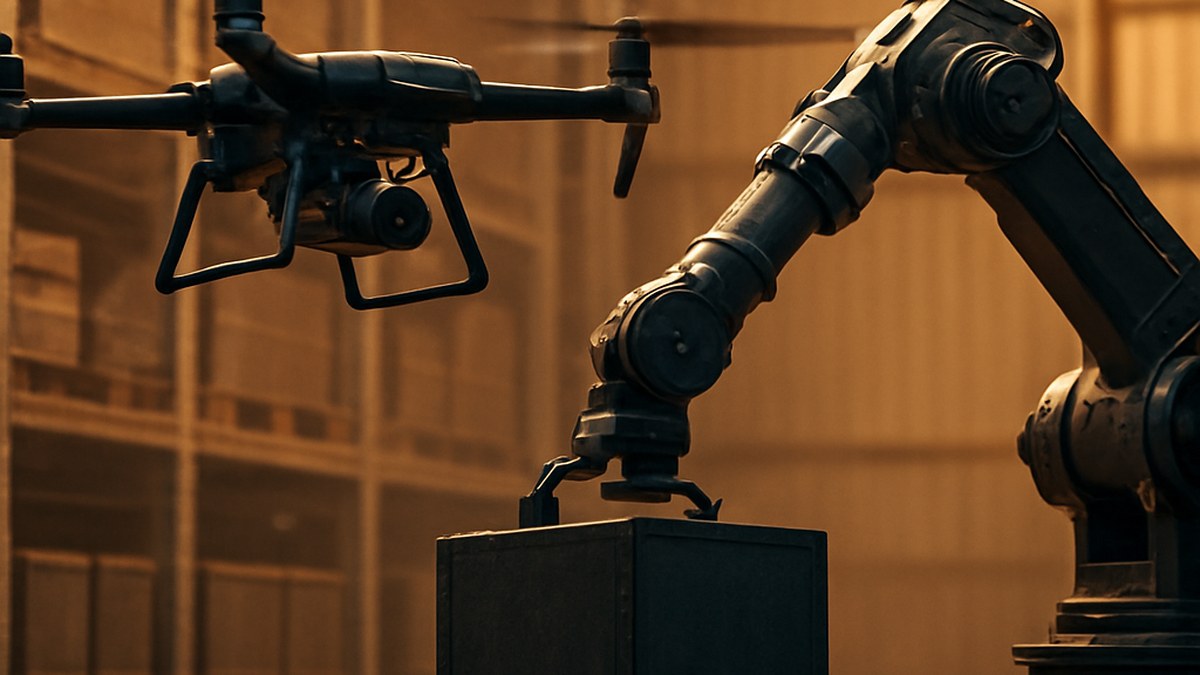
Initial market response has been overwhelmingly positive, with demand outstripping Corvus’s current production capabilities. According to Corvus, this demand is not driven by a lack of customer interest but rather by production capacity limitations, highlighting the strong appetite for such technological advancements in the logistics sector. This development not only underscores the potential for robotics in cold-chain logistics but also signals a broader acceptance and adoption of automated solutions across the industry.
Why It Matters
The introduction of the Corvus One Cold Chain system represents a significant milestone in the evolution of warehouse management, with far-reaching implications for various sectors. For the cold-chain logistics industry, this innovation addresses critical challenges associated with labor shortages and worker safety, offering a viable solution to mitigate high turnover rates and reduce the physical demands placed on human workers. By enabling continuous, autonomous operation, Corvus’s drones promise to enhance efficiency and accuracy in inventory management, ultimately translating to cost savings and improved service delivery for companies reliant on cold storage facilities.
Beyond immediate operational benefits, the adoption of autonomous drones in cold-chain logistics could spur further innovation and investment across the sector. As more companies recognize the potential of robotic solutions, there is likely to be increased interest in developing complementary technologies, such as advanced AI algorithms for inventory optimization and predictive analytics. This could lead to the creation of more integrated, intelligent supply chain systems that leverage data-driven insights to enhance overall performance and competitiveness.
On a broader scale, the successful implementation of the Corvus One Cold Chain system may serve as a blueprint for other industries facing similar challenges, such as aerospace, maritime, and remote manufacturing facilities. The lessons learned from deploying autonomous drones in harsh environments could inform the development of new applications and solutions, driving further advancements in robotics and automation technology.
How We Approached This
In crafting this article, we prioritized a comprehensive examination of the Corvus One Cold Chain’s technological innovations and their implications for the logistics industry. Our analysis was informed by detailed insights from Corvus Robotics, industry reports, and market projections from reputable sources like Gartner. We sought to contextualize this development within the broader trends of automation and innovation in logistics, emphasizing its potential to influence future industry practices.
Our editorial lens focuses on the agent-centric perspective, highlighting the impact of robotics technology on human workers and operational efficiency. We consciously avoided speculative claims, instead grounding our conclusions in factual data and expert opinions. By doing so, we aim to provide a balanced and informed perspective that aligns with our publication’s commitment to delivering accurate and insightful analysis of emerging trends in the robotics sector.
Frequently Asked Questions
What is the Corvus One Cold Chain?
The Corvus One Cold Chain is an advanced drone-based autonomous inventory management system designed for sub-zero warehouse environments. It features drones equipped with cold-resistant technologies, such as self-heating LiFePO4 batteries and sealed optics, enabling continuous operation in temperatures as low as -30 °C. This system addresses the challenges of labor shortages and safety concerns in cold storage facilities.
How does Corvus One Cold Chain impact the logistics industry?
The Corvus One Cold Chain system offers a transformative solution for cold storage logistics by providing continuous, autonomous inventory management. This reduces the reliance on human labor, enhances operational efficiency, and improves safety in harsh environments. As a result, it holds the potential to lower operational costs and drive further innovation in the logistics sector, setting a precedent for other industries to follow.
What are the cost implications of adopting Corvus One Cold Chain?
The system is offered as a Software-as-a-Service (SaaS), with a pricing model of $12,500 per month per drone and dock. While this represents a significant investment, the potential cost savings and operational efficiencies gained from reduced labor requirements and increased accuracy in inventory management can offset the initial outlay. Additionally, the subscription model aligns with broader industry trends, offering flexibility and scalability for businesses.
As the logistics industry moves towards a more automated future, the introduction of Corvus One Cold Chain marks a pivotal step in this journey. By addressing the unique challenges of cold storage environments, Corvus Robotics has not only demonstrated the viability of autonomous drones in these settings but also paved the way for further advancements in warehouse automation. The success of this system could serve as a catalyst for widespread adoption of similar technologies, ultimately reshaping the landscape of logistics and supply chain management. As companies continue to explore innovative solutions to enhance efficiency and safety, the Corvus One Cold Chain stands as a testament to the transformative potential of robotics technology.