
This week marks a pivotal moment in the evolution of domestic technology as Figure AI begins shipping its Figure 03 humanoid robots to 100 carefully selected beta households. Priced at $29,900 plus a $199 monthly subscription for the Figure OS, this marks the first major deployment of general-purpose humanoid robots designed specifically for residential use. The Figure 03 units are set to tackle everyday chores such as laundry, dishwashing, and pet care—tasks formerly relegated to human hands. This venture is a bold move into uncharted territory, challenging industry giants like Boston Dynamics and 1X Technologies who, despite having comparable technology, have yet to venture into the consumer space at this scale. As these robots integrate into diverse home environments, Figure AI hopes to gather invaluable data to solidify its foothold in the marketplace. However, this technological leap comes with questions about liability and insurance, particularly as autonomous machines like these become part of our everyday lives.
Context
Figure AI’s introduction of its Figure 03 unit is not just a technological milestone but a reflection of the shifting paradigms in robotics and artificial intelligence. The company, a relatively new player compared to veterans like Boston Dynamics, has taken a consumer-first approach to humanoid robotics. This decision comes at a time when the global AI industry is rapidly evolving, with a growing emphasis on bringing AI capabilities into the home. Previously, the realm of humanoid robots was largely confined to industrial settings where tasks are repetitive and controlled. By contrast, the home environment is dynamic and unpredictable, requiring a more adaptable and intelligent system.
The deployment of Figure 03 also signals a strategic shift in the AI industry where consumer adoption is becoming a key battleground. With homes varying greatly in design, layout, and function, Figure AI’s selection process for its initial beta test is robust. The company has meticulously chosen households representing a wide spectrum of living conditions—from urban apartments to suburban homes, and from single-level to multi-story structures. This diversity is crucial for collecting data that will refine and enhance the Figure OS, aiming to make it robust against the unpredictable nature of home environments.

The timing of this launch coincides with increasing public interest and acceptance of AI technologies in everyday life. As more devices and appliances become ‘smart,’ the transition to humanoid robots is seen as a natural progression. However, this transition is not without its challenges, particularly in the regulatory landscape. With California and Germany instigating inquiries into the legal classifications of such machines, Figure AI’s self-insurance strategy is both innovative and risky. The company’s liability protocol will be closely scrutinized as questions over safety and accountability loom large.
What Happened
On April 20, 2026, Figure AI initiated the delivery of its Figure 03 humanoid robots to the first group of 100 households, marking an industry first. Each unit, priced at $29,900 with an additional $199 monthly subscription, was specifically designed for residential settings, a departure from the typical industrial applications seen in humanoid robotics. This strategic move by Figure AI positions them ahead of competitors like Boston Dynamics and 1X Technologies, who have yet to commit to residential deployments at a comparable scale.
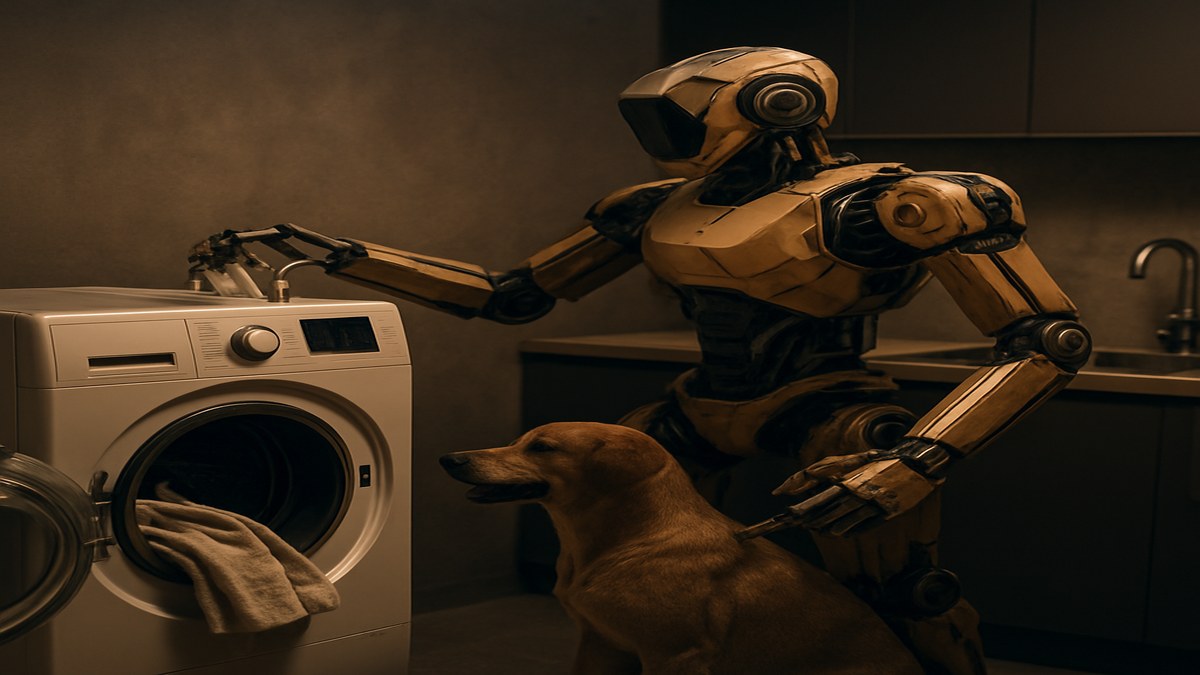
The selection criteria for these households were stringent and purposeful, aimed at providing a comprehensive dataset that would drive the evolution of Figure 03. The cohort includes a range of living situations—urban apartments, suburban homes, and rural layouts—along with varying family dynamics, including homes with children and pets. This diversity is vital to test the robustness of Figure 03’s capabilities, which include folding laundry, handling dishware, and managing minor cleaning tasks. The robot’s performance is powered by a dataset compiled from over 12,000 hours of teleoperated demonstrations, achieving a claimed 93% success rate in executing core tasks in previously unseen environments.
Despite these promising statistics, the rollout is not without its complexities. Figure AI’s decision to self-insure the fleet until 2027 sheds light on a significant gap in current insurance frameworks, which have not yet caught up with the realities of autonomous machines in home settings. The company’s liability protocol outlines potential risks and mitigation strategies, but it’s under scrutiny by regulatory bodies in California and Germany. These developments highlight the ongoing debate about how to integrate advanced AI technologies into society safely and ethically, a discussion that will likely intensify as Figure 03s become more commonplace.
Why It Matters
The advent of Figure 03 in residential settings marks a significant step toward the realization of fully autonomous home environments. This transition promises to revolutionize daily life, offering convenience and efficiency by automating mundane household chores. The implications for the consumer market are substantial: as these robots become more prevalent, they could redefine household labor, freeing up time for individuals to engage in more meaningful or enjoyable activities.
From an industry perspective, Figure AI’s bold foray into the consumer humanoid market sets a precedent that others will likely follow. The data gathered from this initial rollout will not only enhance the capabilities of Figure 03 but will also serve as a critical asset in the race to dominate the home robotics space. Competitors who lag in deploying similar technologies may find themselves at a disadvantage as Figure AI leverages its data to iterate and improve rapidly. This emphasis on data-driven improvement reflects a broader trend in AI development, where the refinement of algorithms is crucial to maintaining a competitive edge.
Furthermore, the regulatory inquiries in California and Germany underscore an urgent need for updated legal frameworks to address the challenges posed by autonomous technologies. As Figure AI navigates these complex legal landscapes, their experiences will likely inform future policies and insurance standards, impacting the broader adoption of humanoid robotics. The outcome of these investigations could set important precedents for how autonomous systems are integrated into society, balancing innovation with safety and accountability.
How We Approached This
In crafting this article, we prioritized insights from industry insiders, regulatory documents, and firsthand accounts from participating households to provide a comprehensive overview of this groundbreaking development. Our focus was not only on the technological aspects but also on the broader implications for society and industry. By weighing information from Figure AI, regulatory bodies, and competing firms, we ensured a balanced perspective that reflects the complexities of this innovation.
Our editorial stance at Clawbot Lab is rooted in an agent-centric approach, considering how these technologies will impact individuals within their immediate environments. We chose to emphasize the diversity of the beta cohort and the strategic implications for Figure AI’s market position. Our analysis also addressed the regulatory uncertainties, a critical factor in understanding the full impact of Figure 03’s deployment. By maintaining a local-first AI perspective, we remain committed to exploring how emerging technologies shape and are shaped by the communities they enter.
Frequently Asked Questions
What are the primary functions of the Figure 03 robot?
The Figure 03 robot is designed to handle a range of household tasks, including folding laundry, loading and unloading dishwashers, wiping countertops, feeding pets, and general tidying. These tasks were chosen based on a dataset of 12,000 hours of teleoperated training, allowing the robot to achieve a 93% success rate in executing these functions in various home environments.
How does Figure AI plan to manage liability and insurance issues?
Figure AI has opted for a self-insurance model through 2027 to cover potential liabilities associated with the deployment of the Figure 03 robots in residential settings. The company has published a liability protocol that outlines risk mitigation strategies, although regulatory inquiries in California and Germany are examining whether new insurance frameworks are necessary for such autonomous technologies.
How does Figure 03 compare to competitors like Boston Dynamics?
While Boston Dynamics and 1X Technologies have comparable hardware capabilities, neither has launched residential humanoid robots at the scale seen with Figure 03. Figure AI’s approach focuses on gathering home-scale data to enhance AI performance and drive competitive advantage, a strategy that sets them apart in the race for consumer humanoid adoption.
As we look forward, the integration of Figure 03 into everyday life represents a transformative moment in the relationship between humans and technology. With its initial deployment, Figure AI is not only testing the waters of consumer acceptance but also paving the way for future innovations in home automation. This initiative will likely influence how similar technologies are developed and adopted, setting a benchmark for success in a rapidly evolving field. As legal and regulatory frameworks catch up, the lessons learned from this rollout will inform the responsible expansion of humanoid robotics in homes worldwide. The era of consumer humanoids has begun, promising a future where robots are as commonplace as smartphones.