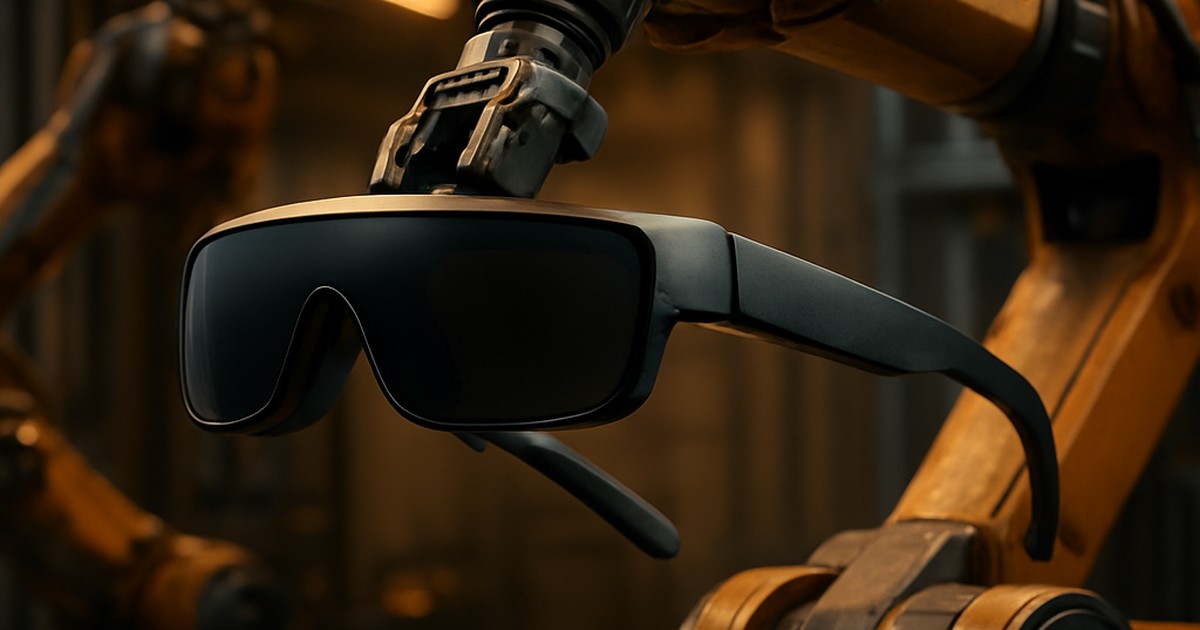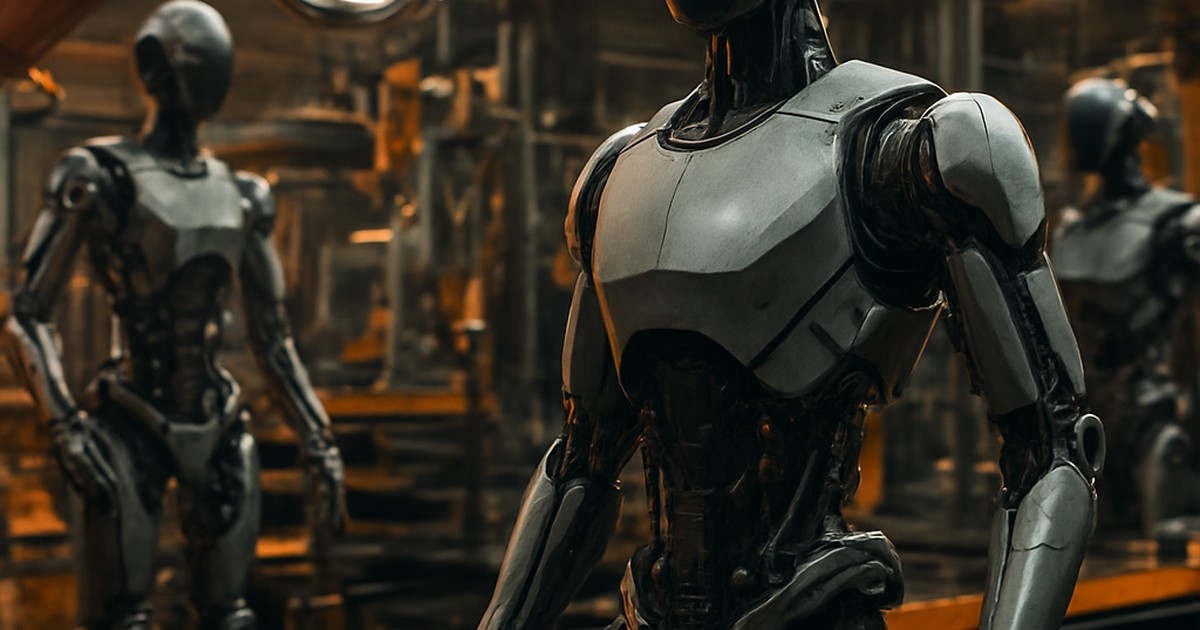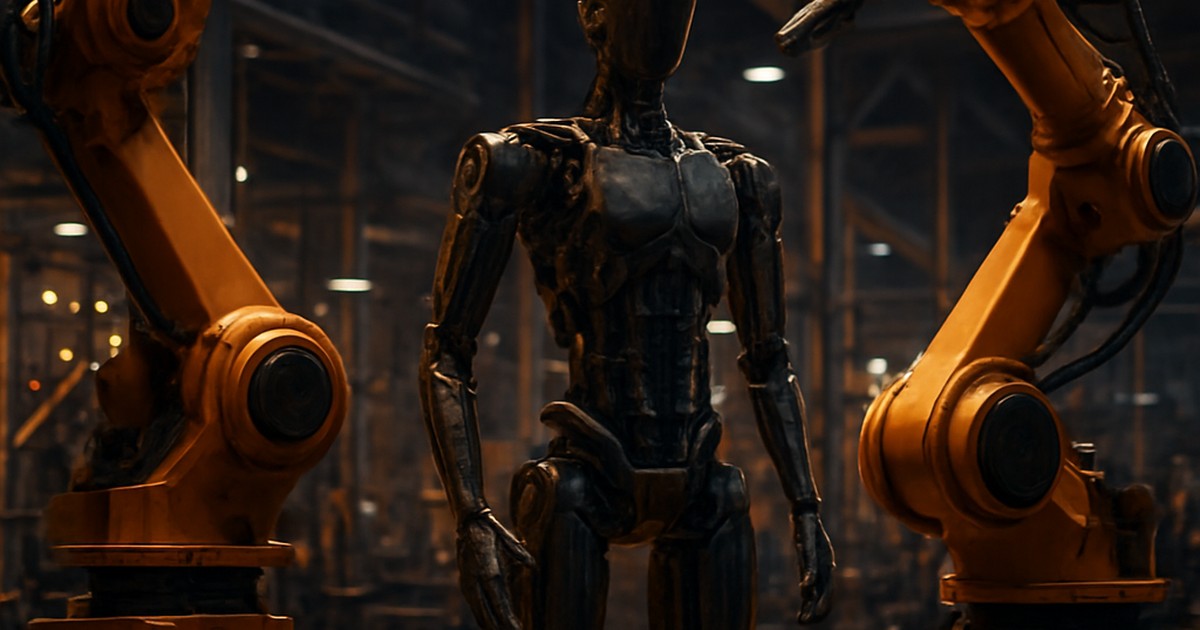
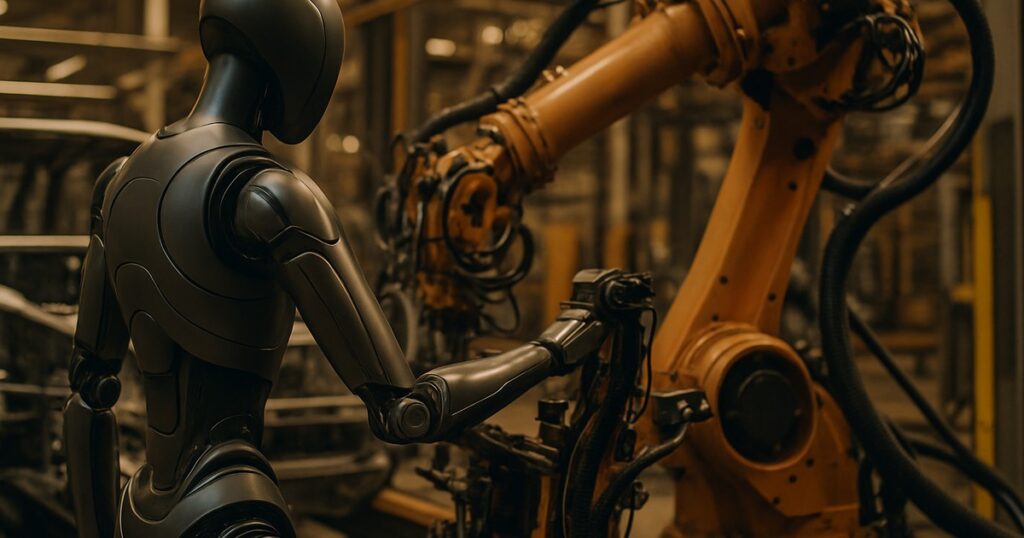
On Thursday, April 16, 2026, Figure AI reached a significant milestone by delivering 100 Figure 02 humanoid robots to BMW’s Spartanburg plant in South Carolina. This delivery represents the largest single deployment of general-purpose humanoid robots in any automotive manufacturing facility to date. The robots are currently tasked with handling light-assembly operations such as door panel insertion, wire harness routing, and quality inspection, all of which are essential components of BMW’s production line. Notably, BMW has reported a remarkable 23% reduction in cycle time for these tasks, underscoring the efficiency and effectiveness of the Figure 02 models. In this article, we delve into the details of this deployment, examining the implications for the automotive industry and the future of manufacturing automation.
Context
The introduction of humanoid robots into manufacturing is not a novel concept, but the deployment of such a large number of general-purpose units marks a transformative step forward. Figure AI, a leading player in the robotics field, has strategically partnered with BMW to enhance the automaker’s production capabilities. This collaboration highlights a growing trend among automotive manufacturers to integrate advanced robotics into their operations to boost productivity and maintain competitiveness in a rapidly evolving market. The strategic choice of BMW’s Spartanburg plant is significant, as it is the company’s largest production facility globally and a critical hub for its operations in North America.
Prior to this deployment, BMW had been experimenting with various forms of automation and robotics, including specialized robots designed for specific tasks. However, these systems often required extensive customization and were limited in their versatility. The Figure 02 units, in contrast, offer a more flexible and adaptable solution, capable of performing a wide range of tasks without the need for costly retooling or reconfiguration. This adaptability is a key factor driving the adoption of humanoid robots in manufacturing environments, where efficiency and flexibility are paramount.
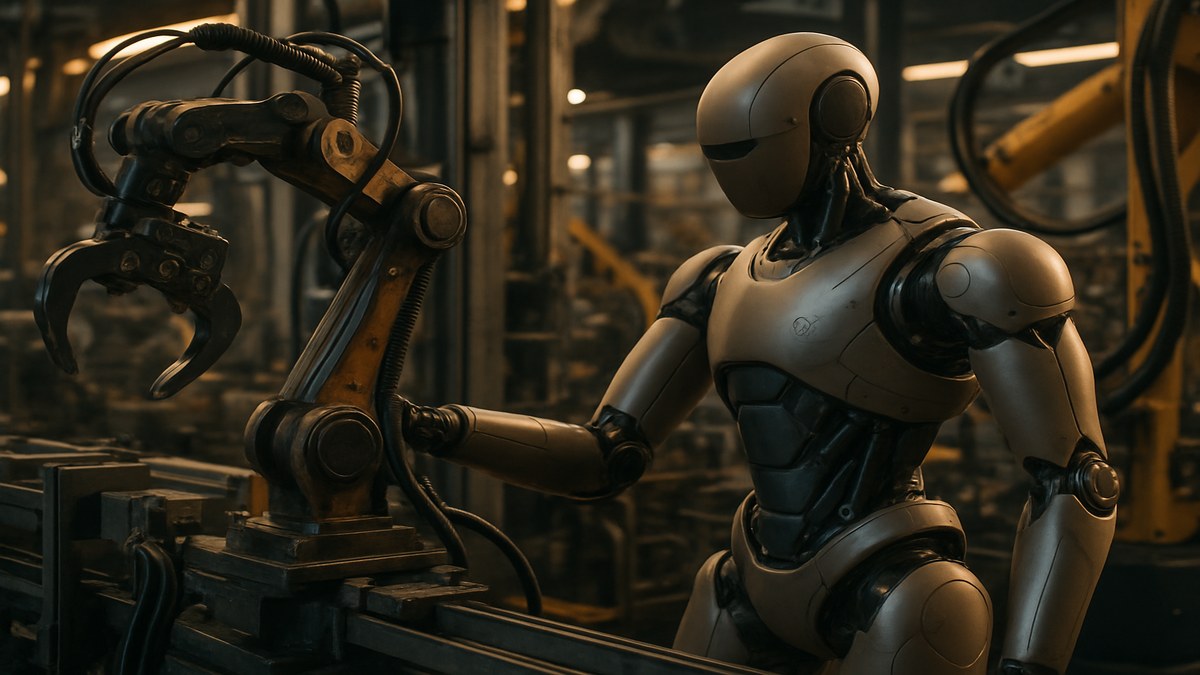
This week is particularly important for both Figure AI and BMW, as it marks the culmination of months of planning and collaboration. The successful deployment of the Figure 02 robots is a testament to the robust engineering and innovative design efforts by Figure AI, as well as BMW’s commitment to embracing cutting-edge technology to enhance its manufacturing processes. The implications of this deployment extend beyond the immediate gains in efficiency, setting a precedent for future collaborations between robotics companies and automotive manufacturers.
What Happened
Figure AI completed the delivery of the first 100 Figure 02 humanoid robots to the BMW Spartanburg plant on April 16, 2026. The deployment is a landmark event in the realm of manufacturing automation, representing the largest single introduction of humanoid robots into an automotive production facility. These robots are specifically designed to handle light-assembly tasks, focusing on door panel insertion, wire harness routing, and quality inspection. These functions, though critical to the assembly line, previously required significant human labor and time, making the efficiency gains particularly impactful.
The introduction of these robots has resulted in a 23% reduction in cycle time for the tasks they handle. This improvement is attributed to the robots’ advanced capabilities, including their precision, consistency, and ability to work continuously without breaks. Brett Adcock, CEO of Figure AI, highlighted the significance of this achievement, stating, “The integration of our Figure 02 robots into BMW’s production line is a groundbreaking step towards the future of manufacturing. We are proud to be at the forefront of this transformation, providing innovative solutions that enhance efficiency and productivity.”
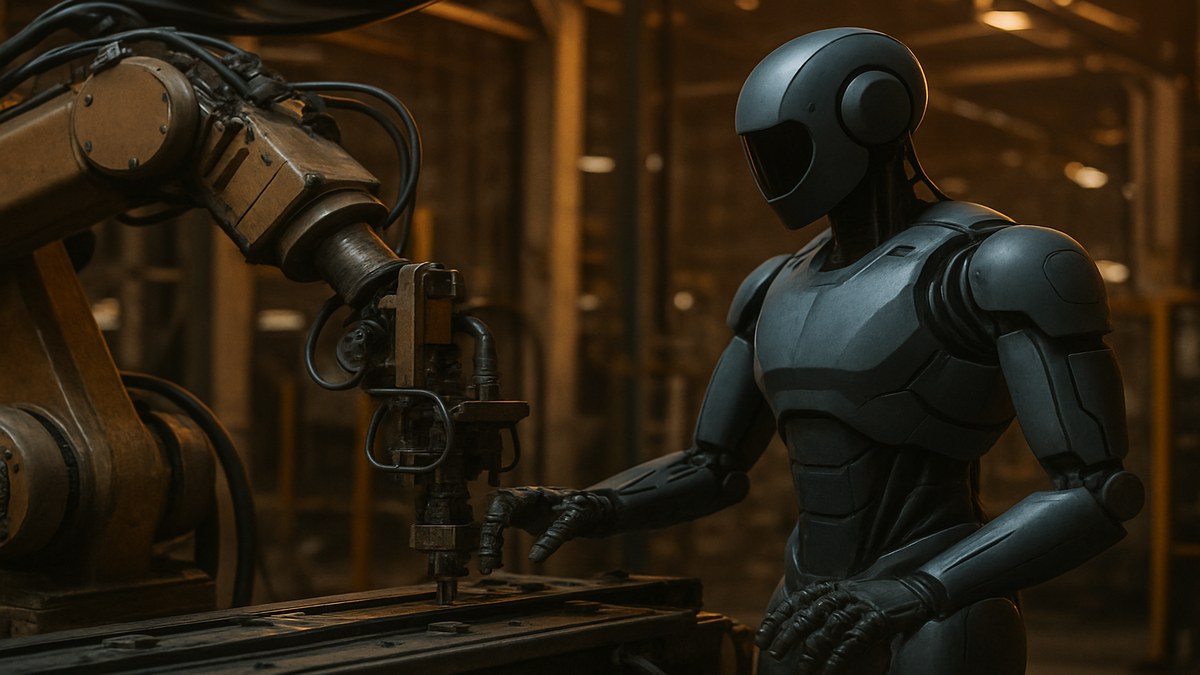
Looking ahead, Figure AI plans to ship an additional 100 units in Q3 2026, which will be assigned to more complex tasks such as wheel-well and under-body operations. These tasks have traditionally required specialized jigs and tools, but the versatility of the Figure 02 robots promises to streamline these processes significantly. This phased approach to deployment not only maximizes the potential gains in efficiency but also allows BMW to assess and adapt its operations to fully integrate the capabilities of these humanoid robots.
Why It Matters
The deployment of Figure 02 robots at BMW’s Spartanburg plant marks a pivotal moment for the automotive industry and the broader field of manufacturing. The significant reduction in cycle time achieved through the use of these robots translates into increased production throughput and reduced operational costs. This, in turn, enhances BMW’s ability to meet market demand and maintain its competitive edge in a fiercely contested industry. The broader implications for the automotive sector are profound, as other manufacturers are likely to follow suit and explore similar automation strategies to optimize their production lines.
From a consumer perspective, the adoption of humanoid robots in manufacturing could lead to better quality products at lower prices. The consistency and precision offered by these robots ensure that production standards are met with minimal variance, reducing the likelihood of defects and enhancing overall product reliability. Additionally, the efficiency gains realized through automation can lead to cost savings that may be passed on to consumers, making high-quality vehicles more accessible to a wider audience.
Research and policy implications are also significant. The successful integration of humanoid robots into a major manufacturing facility sets a benchmark for future technological advancements and regulatory considerations. As the demand for automation increases, regulatory bodies may need to develop new guidelines and standards to address the unique challenges posed by the widespread use of advanced robotics. Moreover, this deployment serves as a catalyst for further research into robotics, AI, and machine learning applications in industrial settings, driving innovation and technological progress across multiple sectors.
How We Approached This
At Clawbot Lab, our editorial team approached this story with a focus on the transformative impact of humanoid robots in the automotive industry. We prioritized information from reliable sources, including official statements from Figure AI and BMW, to ensure the accuracy and integrity of our reporting. Our analysis also included insights from industry experts and stakeholders to provide a comprehensive view of the deployment’s significance.
We chose to emphasize the tangible benefits of the Figure 02 deployment, such as the cycle-time reduction and potential cost savings, while also considering the broader implications for the industry and consumers. Our coverage is rooted in the OpenClaw ecosystem perspective, highlighting the role of advanced robotics in shaping the future of manufacturing. By focusing on these key aspects, we aim to offer our readers a nuanced understanding of this pivotal development in the field of robotics and automation.
Frequently Asked Questions
What specific tasks are the Figure 02 robots handling at BMW?
The Figure 02 robots are currently tasked with handling light-assembly operations, including door panel insertion, wire harness routing, and quality inspection. These tasks are crucial components of the production process and have traditionally required significant human labor and time, making the efficiency gains from automation particularly impactful.
How does the deployment of humanoid robots affect BMW’s production capabilities?
The introduction of humanoid robots has led to a 23% reduction in cycle time for the tasks they handle, significantly enhancing BMW’s production capabilities. This efficiency boost allows BMW to increase production throughput, reduce operational costs, and maintain its competitive edge in the automotive industry. The deployment also sets a precedent for future automation strategies across the sector.
What are the future plans for Figure AI’s robot deployments at BMW?
Figure AI plans to ship an additional 100 Figure 02 robots in Q3 2026, which will be assigned to more complex tasks such as wheel-well and under-body operations. These tasks have traditionally required specialized jigs and tools, but the versatility of the Figure 02 robots promises to streamline these processes significantly, further enhancing production efficiency and reducing costs.
Looking forward, the deployment of Figure 02 humanoid robots at BMW’s Spartanburg plant is poised to set a new standard in the integration of advanced robotics in manufacturing. As the industry continues to evolve, the collaboration between Figure AI and BMW serves as a model for how innovation and technology can drive significant improvements in efficiency and productivity. The success of this deployment not only highlights the potential of humanoid robots in transforming manufacturing processes but also underscores the importance of strategic partnerships in advancing technological progress. Readers should remember that the future of manufacturing lies in the seamless integration of automation and human ingenuity, paving the way for a new era of productivity and innovation.