In a strategic acquisition that underscores the escalating race towards humanoid robotics dominance, Meta announced on May 1, 2026, the completion of its purchase of Assured Robot Intelligence (ARI), a startup renowned for its cutting-edge humanoid robotics intelligence. Co-founded by academic luminaries Lerrel Pinto from NYU and Xiaolong Wang from UC San Diego, ARI has carved a niche in developing sophisticated vision-language-action models and manipulation policies. With both visionaries joining Meta’s Superintelligence Labs, alongside their engineering team, the acquisition signifies a pivotal maneuver for Meta. The tech giant aims to harness ARI’s capabilities to establish itself as the ‘Android of Humanoid Robots,’ fundamentally transforming the landscape of humanoid robotics. This article delves into the ramifications of this acquisition, examining Meta’s ambitious strategy to dominate the foundational model layer of humanoid robotics, while drawing parallels with historical technological ecosystems.
Context
The acquisition of Assured Robot Intelligence by Meta doesn’t just point to a corporate merger; it signals a broader strategy within the tech landscape that sees major players vying for positions of power within the rapidly evolving humanoid robotics sector. Humanoid robotics, long a subject of both fascination and skepticism, has entered an era of substantial innovation and investment, redefining what robots can achieve. Over the last year, the sector has witnessed exponential growth, with companies like Figure AI and 1X pushing boundaries in production capabilities and market valuations reaching unprecedented heights, such as Figure AI’s valuation at a staggering $39 billion.
This week matters particularly due to the strategic shifts within the industry, where intelligence, rather than hardware, is seen as the crucial competitive edge. Meta, much like Google with its Android operating system, aims to control the indispensable software layer that humanoid hardware will rely upon. By acquiring ARI, Meta positions itself not just as a competitor, but as a gatekeeper of the intelligence that will drive humanoid robotics forward. This move is informed by the belief that, as with smartphones, the real competition will be in who owns the operating software—not the devices themselves.
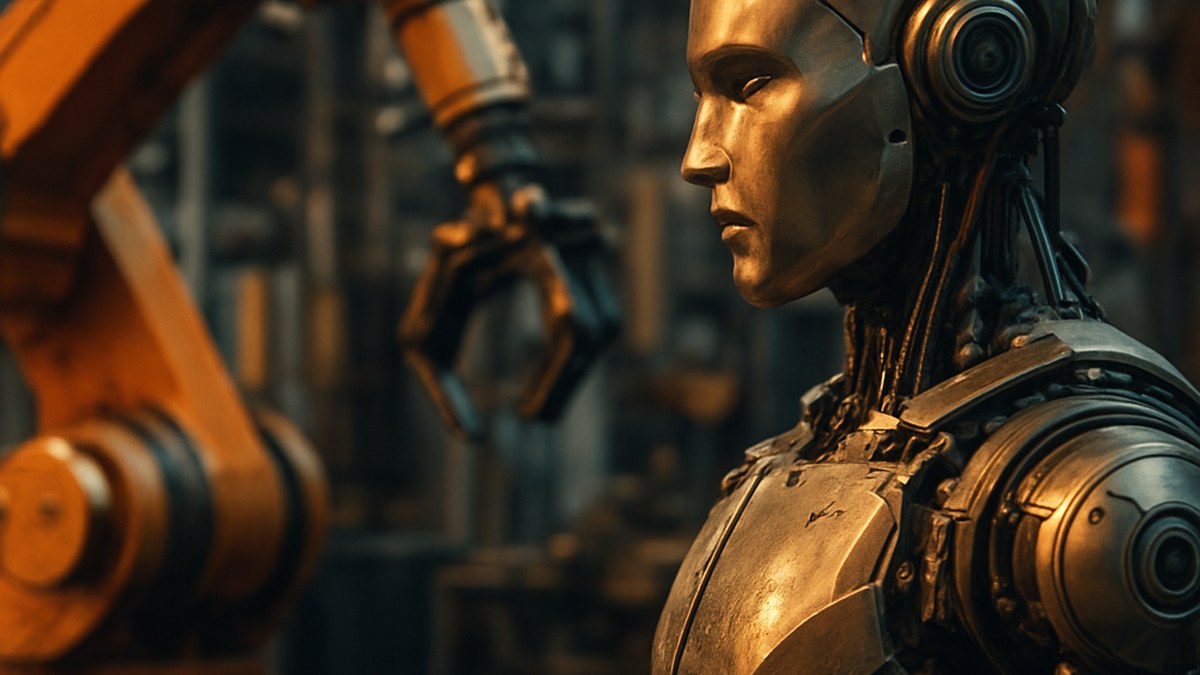
The timing of Meta’s acquisition also aligns with significant market movements, including Amazon’s purchase of Fauna and Tesla’s aggressive ramp-up of its Optimus production through 2026. These developments collectively underscore a shifting focus where foundational model layers, capable of nuanced vision-language-action policy execution, are becoming essential components for any serious contender in the robotics space. Meta’s deliberate positioning as the Android of humanoid robots is both a reflection of current market dynamics and a bold step into a future where humanoid robotics becomes mainstream.
What Happened
On May 1, 2026, Meta finalized its acquisition of Assured Robot Intelligence, a deal described as a multi-hundred-million-dollar arrangement, primarily structured in equity. While the exact financial terms remain undisclosed, sources within the industry suggest the acquisition represents a significant investment in Meta’s broader strategy to dominate the humanoid robotics intelligence domain. This move integrates ARI’s team, including its founders Lerrel Pinto and Xiaolong Wang, into Meta Superintelligence Labs, a unit that collaborates closely with the Meta Robotics Studio team.
Assured Robot Intelligence, co-founded by Pinto and Wang, has gained acclaim for its pioneering work in vision-language-action models. These models are crucial for developing humanoid robots capable of advanced manipulation and decision-making processes. By incorporating ARI’s expertise, Meta aims to build comprehensive foundational models that will power humanoid robots, akin to how Google’s Android became the backbone for smartphones worldwide. This ambitious goal suggests a future where Meta licenses its humanoid robotics intelligence to a wide array of manufacturers, including notable names like Apptronik, Figure, Agility, and even traditional automotive OEMs exploring humanoid lines.
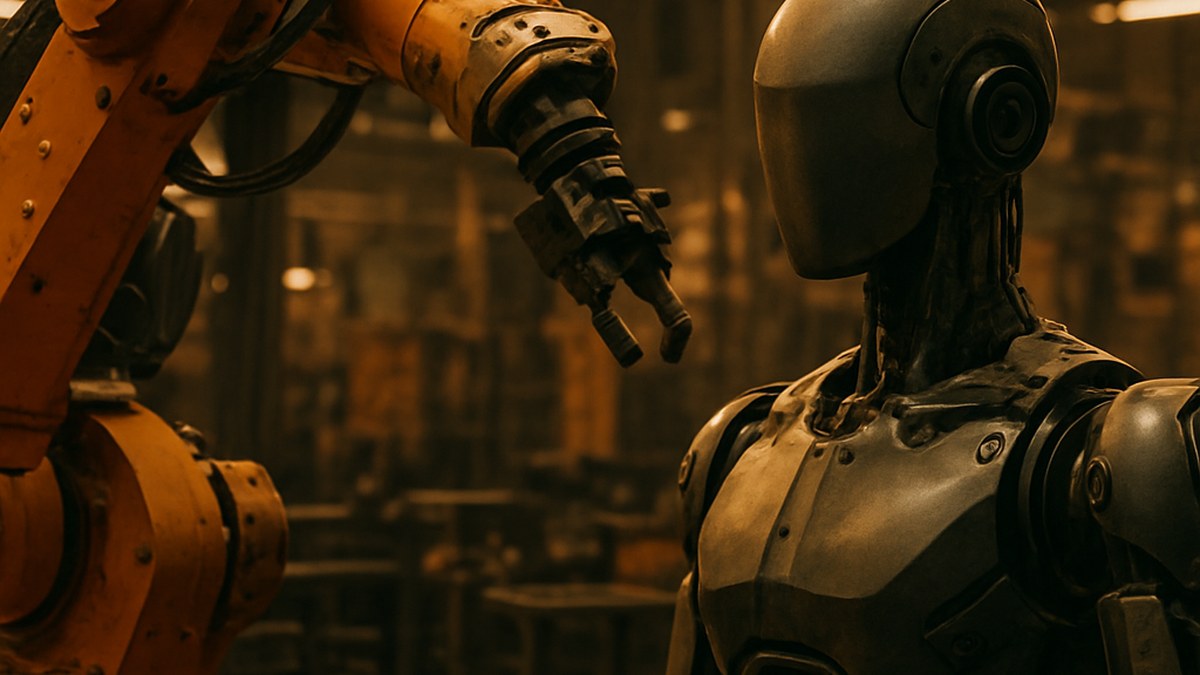
This acquisition comes at a time when the humanoid robotics market is experiencing a significant repricing, influenced by major deals and production expansions. For instance, 1X is scaling the production of its NEO robots to 100,000 units annually, while Tesla’s Optimus line is poised for a production surge. Meta’s strategic alignment with these trends emphasizes its belief in the model layer’s enduring value—echoing strategies seen with Microsoft and Google’s investments in language models, now being applied to the robotics domain.
Why It Matters
The implications of Meta’s acquisition of ARI extend beyond the immediate integration of new talent and technology. This move represents a calculated bet that the future of humanoid robotics will hinge on the sophistication of their intelligence, rather than the physical components they embody. Meta’s strategic focus on the model layer underscores a broader industry shift toward the software that enables complex decision-making and interaction in humanoid forms.
For industry stakeholders, Meta’s acquisition signals a potential reshaping of the competitive landscape. By controlling the intelligence layer, Meta positions itself as a central player in the development and licensing of humanoid robotics technology. This could lead to a consolidation of power similar to that witnessed in the smartphone industry, where operating systems dictate market dynamics. As Meta strengthens its foothold, other companies in the robotics space may find themselves either aligning with Meta’s platform or facing a challenging environment to compete independently.
Consumers and end-users stand to benefit from advancements in humanoid robotics driven by robust intelligence layers. The ability to execute complex tasks, adapt to dynamic environments, and interact naturally with humans could redefine industries ranging from manufacturing to healthcare. However, this evolution also raises ethical considerations around the deployment and control of such advanced systems, prompting discussions about regulation and oversight to ensure these technologies are developed and used responsibly.
How We Approached This
In crafting this article, we drew upon a variety of sources, including industry reports, expert interviews, and company announcements, to provide a comprehensive overview of Meta’s acquisition of Assured Robot Intelligence. Our editorial lens prioritizes the agent-centric perspective, focusing on the implications of sophisticated intelligence models in the humanoid robotics sector and their potential to transform industries.
We emphasized the strategic parallels between Meta’s current move and historical technological strategies, using the Android model as an illustrative framework. By doing so, we aim to highlight the broader significance of Meta’s actions within the context of a rapidly evolving market. While the article touches on potential challenges, our primary focus remains on the transformative potential of the intelligence layer in humanoid robotics, aligning with Clawbot Lab’s commitment to exploring agent patterns and ecosystem dynamics.
Frequently Asked Questions
What is Assured Robot Intelligence?
Assured Robot Intelligence (ARI) is a notable startup specializing in humanoid robotics intelligence. Co-founded by renowned researchers Lerrel Pinto and Xiaolong Wang, ARI has developed sophisticated vision-language-action models and manipulation policies, making it a leader in the field. Meta’s acquisition of ARI signifies its strategic intent to dominate the intelligence layer of humanoid robotics, leveraging ARI’s expertise to further this ambition.
Why did Meta acquire ARI?
Meta acquired ARI to strengthen its position in the humanoid robotics market by controlling the intelligence layer. This acquisition aligns with Meta’s strategy to become the ‘Android of Humanoid Robots,’ focusing on foundational models rather than hardware. By integrating ARI’s expertise, Meta aims to license its intelligence models to various manufacturers, influencing the direction of humanoid robotics development worldwide.
What impact could this acquisition have on the robotics industry?
Meta’s acquisition of ARI could significantly impact the robotics industry by centralizing control over the intelligence layer. This move may lead to a consolidation of power, similar to the smartphone industry, where operating systems play a crucial role. For manufacturers and developers, aligning with Meta’s platform may become necessary to access advanced humanoid robotics capabilities, potentially shaping the competitive dynamics and technological advancement within the industry.
As we look towards the future, Meta’s acquisition of Assured Robot Intelligence could mark a turning point in the humanoid robotics sector. By focusing on the intelligence layer, Meta sets the stage for a new era where advanced humanoid robots become integral to various industries, mirroring the role smartphones play in daily life today. This strategic move not only reshapes the competitive landscape but also presents an opportunity for transformative advancements in technology, echoing the broader trend of shifting value towards software-driven innovation.