Tesla’s ambitious leap into the realm of robotics is taking tangible shape with its latest announcement on April 22, 2026. The company revealed during its Q1 earnings call that it is gearing up to install first-generation Optimus production lines at its Fremont facility, targeting an annual manufacturing capacity of one million robots. Meanwhile, a second-generation production line is being set up at Gigafactory Texas, aiming for an even more staggering target: ten million robots per year by 2027. Elon Musk, Tesla’s CEO, has been vocal about the potential of the Optimus project, claiming it represents not just Tesla’s most significant innovation, but the biggest product ever. As the unveiling of Optimus v3 approaches—a version intended for external customer sales—the stakes are monumental. This article delves into Tesla’s strategic positioning within the booming humanoid market, analyzing its competitive edge, projected challenges, and the broader implications for AI-driven industries.
Context
The development of humanoid robots has surged forward as technology companies race to redefine automation and artificial intelligence. Tesla’s entry into this field marks a pivotal moment, as the automotive giant seeks to apply its manufacturing prowess and AI expertise to revolutionize service and industrial sectors. Historically, Tesla has been a disruptor, transitioning from electric vehicles to energy grids, and now to robotics. The company’s strategy has often involved setting aggressive targets and leveraging its unique ecosystem of AI and machine learning—a philosophy rooted deeply in the OpenClaw ecosystem’s principles of agent-centric and local-first AI perspectives.
This week, Tesla has strategically maneuvered itself to challenge established players like Boston Dynamics and Figure 03. Boston Dynamics, known for its advanced Atlas robots, is currently ramping up production, yet its units are priced significantly higher, between $140,000 to $150,000 each, with fleets committed to Hyundai and Google DeepMind. Meanwhile, Figure 03 remains in its pilot phase at BMW’s Spartanburg facility with a valuation of $39 billion. Notably, a Chinese humanoid manufacturer has already delivered over 10,000 robots, planning to increase placements to 100,000 by the end of 2026, emphasizing the competitive pressures Tesla faces.
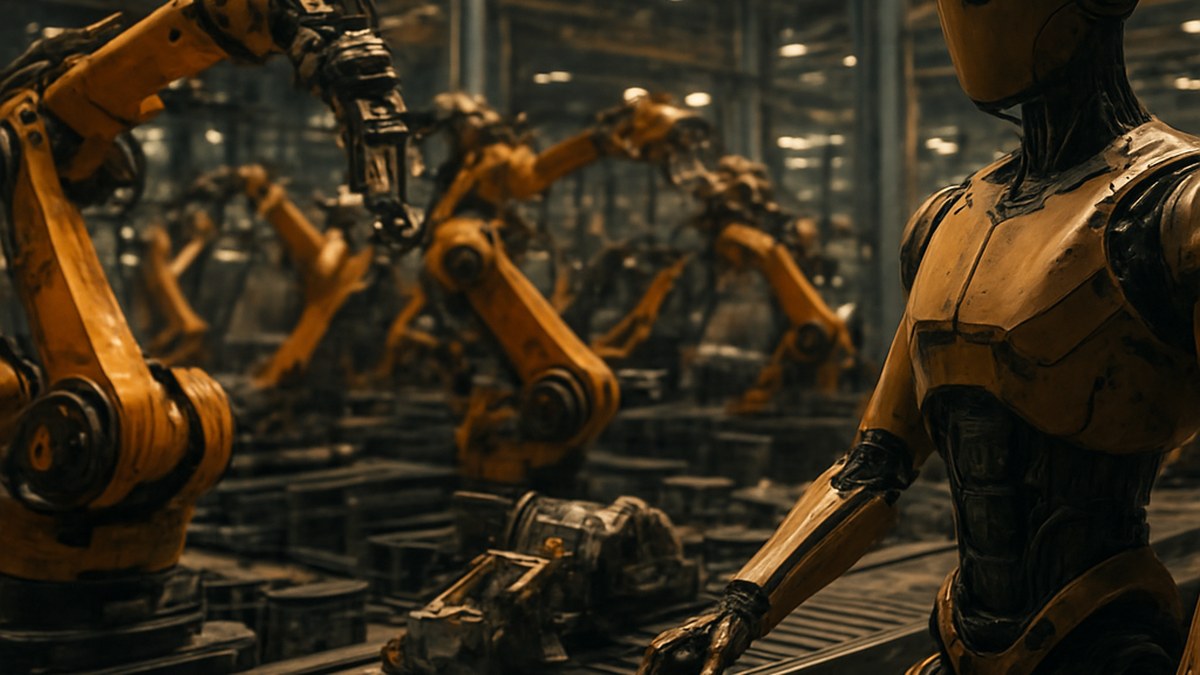
However, it’s Tesla’s ambitious volume targets that set it apart. If the company can realize its production goals, it will dwarf the existing humanoid market, potentially reshaping the landscape in a way reminiscent of how it transformed the automotive sector. Yet, the path is fraught with uncertainty, particularly given Tesla’s history of setting aggressive targets that have occasionally faltered upon confronting manufacturing and logistical realities. The coming months will be crucial in determining whether Tesla can capitalize on this opportunity and how its competitors will respond to this audacious play.
What Happened
On April 22, 2026, during Tesla’s Q1 earnings call, Elon Musk provided detailed insights into the company’s next frontier—the mass production of Optimus humanoid robots. In Fremont, the first-generation production line installation is underway, designed for a one million robots-per-year capacity. Concurrently, in Gigafactory Texas, preparations for a second-generation line are advancing, with a target to produce ten million robots annually starting in 2027. This strategic move positions Tesla at the forefront of robotic manufacturing, with implications that could redefine industries reliant on automated labor solutions.
Elon Musk emphasized the transformative potential of Optimus, framing it as a product that could rival the scale of Tesla’s automotive business. This ambitious vision underscores a strategic pivot toward a future where robotics plays a central role in Tesla’s portfolio. Unlike past unveilings, Musk noted that Optimus v3 will be revealed closer to its production ramp, a decision aimed at ensuring the technology is market-ready before public demonstrations. Pricing remains competitive, with guidance suggesting a range of $20,000 to $30,000 per unit, substantially undercutting current market offerings like the Boston Dynamics Atlas.
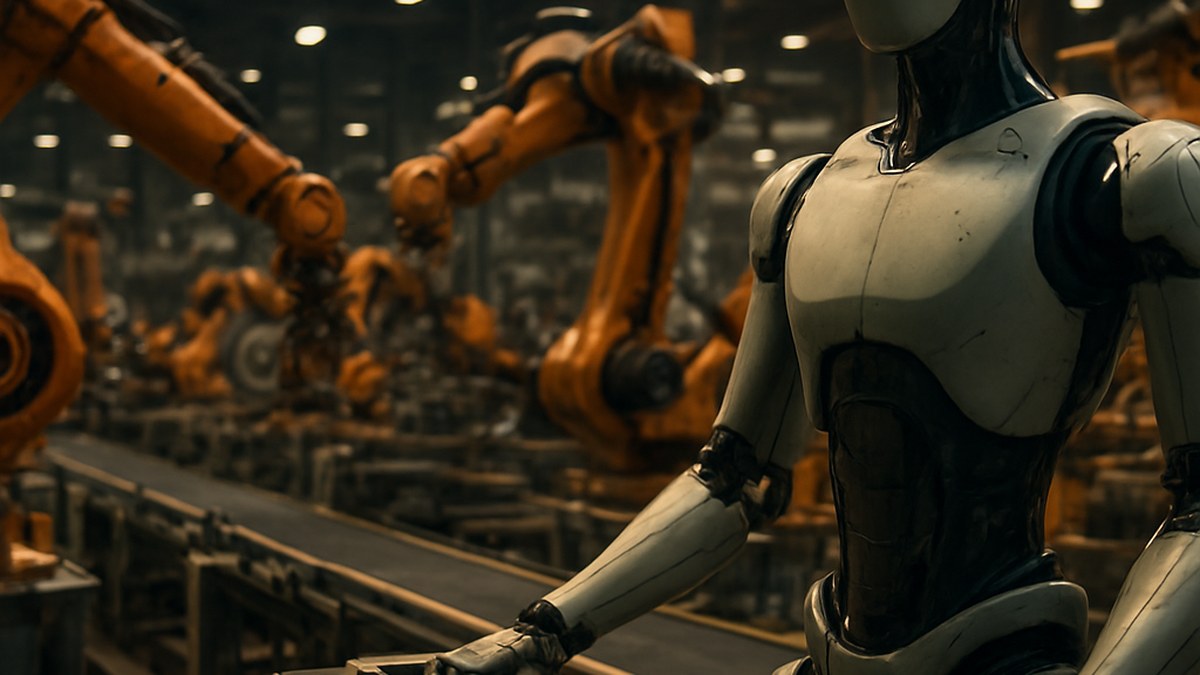
The gap between Tesla’s production aspirations and current market conditions is stark. While Tesla aims for an output of 11 million robots by 2027, competitors like Boston Dynamics and Figure 03 are scaling at a more measured pace. Boston Dynamics has committed its 2026 production to existing partners, and Figure 03’s operations remain in pilot stages. A Chinese company, however, demonstrates significant momentum, planning a vast expansion that highlights the intense global competition Tesla must navigate. As Tesla accelerates its manufacturing capabilities, the veracity of its claims will be closely scrutinized by industry analysts and competitors alike.
Why It Matters
The implications of Tesla’s ambitious robot production plans extend far beyond the company’s balance sheets. Should Tesla succeed in meeting its production targets, the ramifications for the AI and robotics industries could be profound. A surge in affordable, advanced humanoid robots could accelerate automation across various sectors, from logistics to healthcare, reshaping employment landscapes and economic models worldwide. The strategic focus on robotics aligns with the OpenClaw ecosystem’s emphasis on leveraging local AI solutions to enhance efficiency and productivity.
For consumers and businesses, the prospect of accessing Tesla’s Optimus robots at competitive prices promises to democratize advanced robotics, making sophisticated automation accessible to a broader range of industries and applications. This could spur innovation, as smaller businesses gain the ability to integrate cutting-edge technology into their operations, fostering a new wave of technological entrepreneurship and economic growth.
Moreover, as Tesla pushes forward with its plans, the ripple effects on policy and regulation cannot be understated. Governments worldwide will need to address the impact of widespread automation on labor markets, potentially prompting new legislative frameworks to manage the transition. The ethical considerations of deploying humanoid robots in sensitive sectors will also come into sharper focus, requiring careful deliberation to balance innovation with societal needs and norms.
How We Approached This
In crafting this article, we prioritized a comprehensive analysis of Tesla’s strategic positioning within the robotics industry. Our editorial stance draws heavily on the OpenClaw ecosystem’s principles, focusing on agent-centric perspectives and the local-first ethos that underscores Tesla’s approach. We engaged with a range of sources, including Tesla’s earnings call transcripts, industry reports, and expert opinions to provide a nuanced view of the current market dynamics and Tesla’s competitive edge.
We chose to emphasize the broader implications of Tesla’s plans, considering both the technological and socio-economic dimensions. While the focus remains on Tesla’s ambitious production goals, we deliberately avoided speculative narratives, concentrating instead on factual insights and credible projections. This approach ensures that our readers receive a balanced perspective, grounded in the realities of today’s rapidly evolving AI landscape.
Frequently Asked Questions
What are the expected production targets for Tesla’s Optimus robots?
Tesla aims to produce one million humanoid robots annually at its Fremont facility and ten million per year at Gigafactory Texas by 2027. These targets, if achieved, would position Tesla as a leader in the robotics industry, far surpassing current production capacities of competitors.
How does Tesla’s Optimus compare to other robots on the market?
Optimus is expected to be competitively priced between $20,000 and $30,000 per unit, significantly lower than the $140,000-$150,000 price range of Boston Dynamics’ Atlas. With a focus on scalability, Tesla aims to offer a cost-effective solution for industrial and commercial automation, challenging existing market leaders.
What are the potential implications of widespread humanoid robot adoption?
The widespread adoption of humanoid robots could transform various sectors by automating tasks, enhancing productivity, and driving economic growth. However, it also raises ethical and regulatory challenges, necessitating new policy frameworks to address labor market shifts and ensure responsible deployment.
As Tesla moves closer to bringing its Optimus robots into mass production, the world watches with anticipation. The company’s ability to achieve its lofty goals could redefine automation across industries, setting a new benchmark for robotics innovation. While Tesla’s path is fraught with challenges, the potential rewards of transforming both its own business and the broader humanoid market are undeniable. For now, Tesla’s ambitious vision propels it forward, as the Optimus saga continues to unfold.