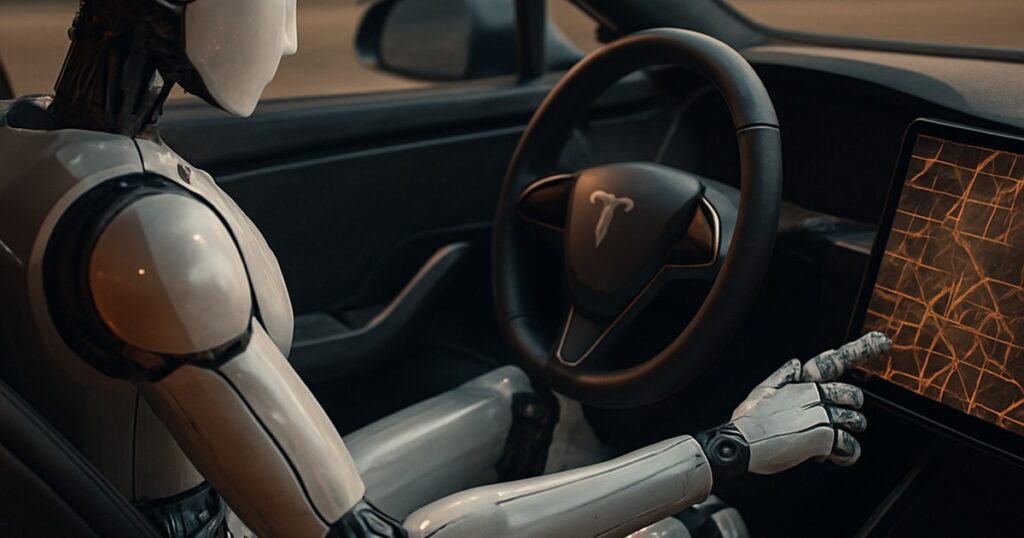
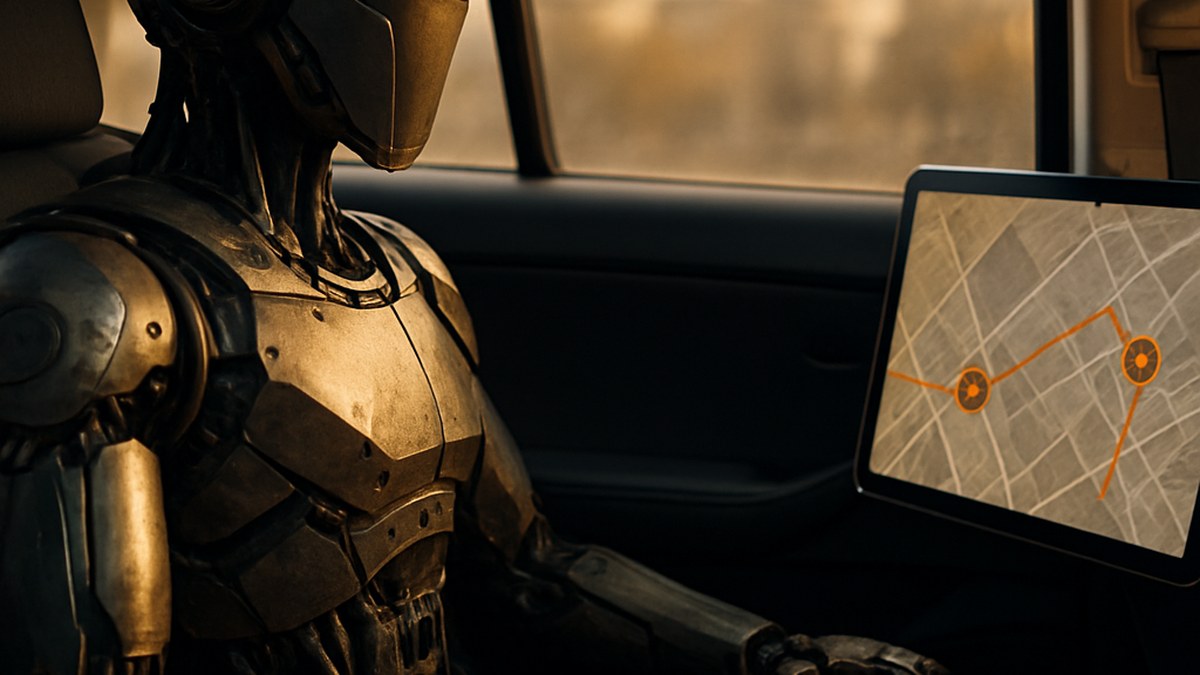
In a significant stride towards redefining urban transport, Tesla has rolled out its 2026 Spring Update (build 2026.14), which introduces a pivotal new feature for their increasingly popular Robotaxi service. The highlight of this update is the introduction of fully interactive navigation maps on rear-seat displays, allowing passengers to personally engage with their route by zooming, panning, and rerouting while the vehicle operates autonomously. This development marks a milestone in consumer-facing technology, enhancing the passenger experience by putting more control into their hands. Alongside this technological enhancement, Tesla has expanded its Robotaxi service to include Dallas and Houston, joining Austin as the initial trio of Texas cities featuring this service. However, the announcement comes with a quieter note on delays in five other cities, raising questions about the pace and scale of Tesla’s broader rollout strategy. This article explores Tesla’s current positioning in the autonomous vehicle landscape, focusing on the implications of these strategic movements and the challenges that lie ahead in bridging the gap to unsupervised Level-4 autonomy.
Context
For years, Tesla has been a pioneer in the electric vehicle industry, consistently pushing the boundaries of automotive technology and innovation. Their foray into autonomous driving has been characterized by a clear ambition to merge personal and commercial vehicle operations, a vision that has been gradually unfolding since the introduction of their full self-driving (FSD) package. The concept behind Tesla’s Robotaxi service is not new, but rather an evolution of their long-standing goal of transforming consumer vehicles into revenue-generating, self-driving taxis. This update is a crucial milestone in that journey, representing a tangible step towards a future where car owners can monetize their vehicles during idle times.
The introduction of the interactive rear-seat maps is particularly significant because it transforms the in-car experience, making passengers active participants in their journey. This feature is not only a technical accomplishment but also a strategic move in enhancing user experience and differentiating Tesla from its competitors. As Tesla continues to refine its autonomous technology, the ability to integrate such consumer-friendly features becomes increasingly important in maintaining market leadership.
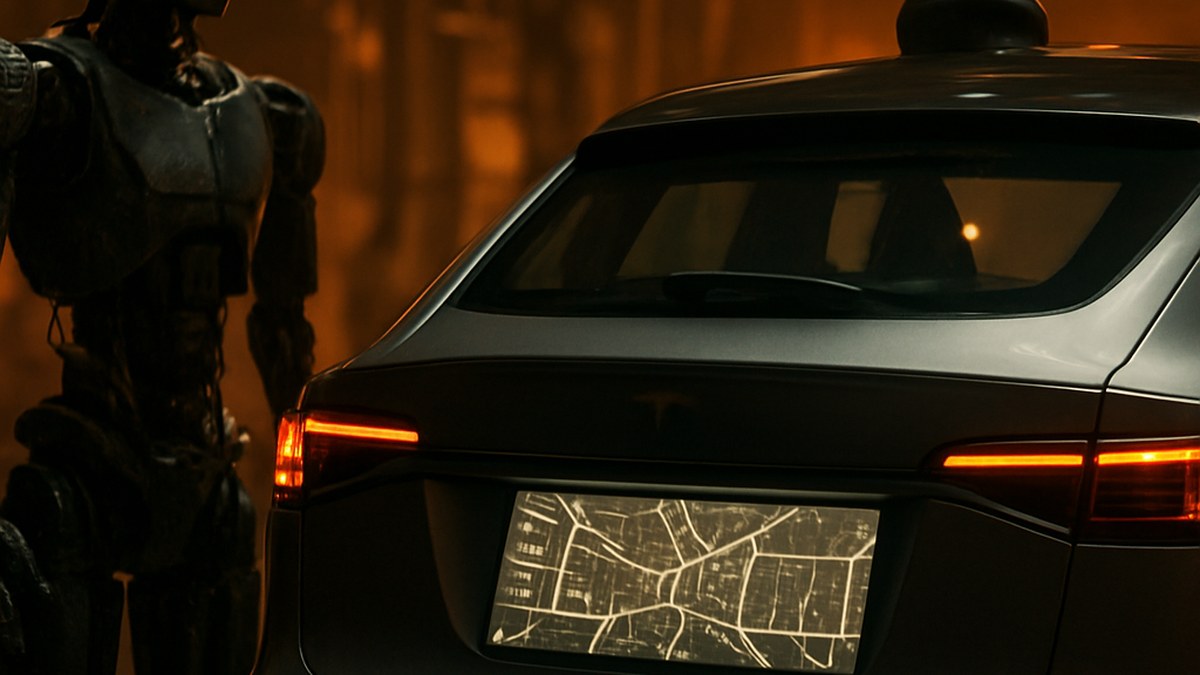
However, the expansion of the Robotaxi service is not without its challenges. At the 2025 Investor Day, Tesla announced an ambitious plan to launch its Robotaxi service in 10 cities by the first half of 2026. While the inclusion of Dallas and Houston is a positive step, the delay in five major cities, namely Los Angeles, Chicago, Miami, Atlanta, and Seattle, has become a point of contention. These cities remain in a ‘preparations underway’ phase, suggesting logistical or regulatory hurdles that need addressing. The fact that these delays come with only two months remaining in H1 2026 poses questions about Tesla’s ability to meet its outlined schedules and its broader strategic planning.
What Happened
On April 23, 2026, Tesla officially began the rollout of its Spring Update, marking a pivotal moment for the company and its ambitious Robotaxi service. The 2026.14 build, distributed across Tesla’s fleet, introduces a suite of enhancements, with the interactive rear-seat navigation maps as the standout feature, designed to improve passenger interaction and satisfaction. This feature allows passengers to explore alternative routes and gain real-time insights into traffic conditions, a first for autonomous vehicles operating at scale.
The expansion into Dallas and Houston marks Tesla’s first foray beyond its initial market in Austin, reflecting the company’s strategic focus on Texas as a critical market. The choice of these cities is no accident; Texas has been a favorable environment for autonomous vehicle testing, with supportive regulatory frameworks and significant urban sprawl that offers a mix of challenges for autonomous navigation.
Despite these advancements, the delay of five cities originally targeted for the first half of 2026 has dampened some of the enthusiasm surrounding the update. At the 2025 Investor Day, investors and industry analysts were optimistic about Tesla’s aggressive rollout timeline, but the shift of Los Angeles, Chicago, Miami, Atlanta, and Seattle to a ‘preparations underway’ status indicates potential obstacles. These delays may stem from a variety of factors, including logistical complexities, regulatory hurdles, or the need for further technological refinement to accommodate city-specific demands. Analysts are closely watching Tesla’s next moves, as these delays could impact investor confidence and the broader competitive landscape.
Why It Matters
The introduction of interactive rear-seat maps and expansion into new cities holds significant implications for consumers, competitors, and the broader autonomous vehicle industry. For consumers, the enhanced control over their travel experience can lead to increased satisfaction and a stronger brand affinity with Tesla, potentially boosting adoption rates of the Robotaxi service. This feature, by making passengers more engaged in their journey, could set a new standard for in-car experiences across the industry.
For Tesla, these developments reinforce its dual strategy of integrating consumer and commercial operations within its vehicle fleet. By converting private Teslas into hybrid commercial vehicles, the company effectively leverages its vast installed base to scale its Robotaxi network. This hybrid model challenges traditional ride-hailing services and could redefine the economics of vehicle ownership and usage. However, the delays in key cities highlight the ongoing challenges Tesla faces in operational execution and regulatory compliance, areas where competitors like Waymo have traditionally excelled.
Industry-wide, Tesla’s advancements underscore the two-track nature of 2026, where the race toward autonomous mobility is defined by divergent approaches. While Waymo continues to lead in achieving unsupervised Level-4 autonomy through robust HD mapping and geofenced operations, Tesla’s focus on consumer-vehicle integration without relying heavily on HD maps represents a bold bet on a different future for autonomy. The success or failure of this approach will have far-reaching consequences, potentially influencing regulatory standards, consumer expectations, and competitive dynamics in the autonomous vehicle sector.
How We Approached This
In compiling this report, we leveraged a range of sources to deliver a comprehensive analysis of Tesla’s latest developments. Our editorial team at Clawbot Lab focused on Tesla’s press releases, investor communications, and insights from industry analysts to construct a detailed picture of the company’s current trajectory. Given our publication’s emphasis on local-first AI perspectives, we prioritized understanding the implications of these updates for the communities where the Robotaxi service is expanding, particularly in Texas.
We also scrutinized the strategic implications of Tesla’s delays in major cities, comparing them with Waymo’s ongoing geographic expansion. By emphasizing Tesla’s unique consumer-facing innovations, we highlight the competitive dynamics between these two industry giants. Our analysis seeks to provide a nuanced understanding of how these developments might shape the future landscape of autonomous driving, offering our readers an informed perspective on the evolving ecosystem.
Frequently Asked Questions
What are the new features in Tesla’s 2026 Spring Update?
The 2026 Spring Update introduces fully interactive rear-seat maps in Tesla’s Robotaxi service. Passengers can zoom, pan, and reroute during their ride, giving them greater control over their journey. This feature enhances the passenger experience, making the ride more engaging and informative.
Which cities now have access to Tesla’s Robotaxi service?
With the latest expansion, Tesla’s Robotaxi service is now operational in Austin, Dallas, and Houston. These cities represent Tesla’s strategic focus on the Texan market, leveraging favorable regulatory conditions and urban environments to advance its autonomous vehicle operations.
Why were some cities delayed in the Robotaxi rollout?
Delays in cities like Los Angeles, Chicago, Miami, Atlanta, and Seattle may be due to logistical challenges, regulatory hurdles, or the need for further technological refinement. These cities are in a ‘preparations underway’ phase, suggesting that Tesla is addressing specific regional requirements before launching its services.
Looking ahead, Tesla’s continued evolution in the autonomous vehicle space remains a topic of intense interest and debate. As the company works to refine its technology and expand its geographic footprint, the competition with Waymo and other industry players will intensify. The success of Tesla’s approach, particularly its ability to integrate consumer-vehicle operations without heavy reliance on HD maps, will be pivotal in determining the future of autonomous driving. For stakeholders and observers alike, the developments of 2026 offer a window into the complex dynamics shaping the next decade of mobility innovation.